
01
Elegir el equipo acústico correcto
Compare salas estáticas, cámaras anecoicas, cajas insonorizadas y salas inline antes de pedir una cotización.
Insights
Divulgación de conocimientos acústicos e interpretación de políticas y tendencias del sector
Use la biblioteca de noticias como herramienta de sourcing: compare equipos, redacte condiciones de aceptación medibles o evalúe si un proveedor chino puede apoyar un proyecto acústico personalizado.
01
Compare salas estáticas, cámaras anecoicas, cajas insonorizadas y salas inline antes de pedir una cotización.
02
Convierta dBA, NC, Rw, método, condición operativa y remedio en lenguaje contractual verificable.
03
Revise pruebas de fabricación, proyectos comparables, informes de prueba y entrega internacional antes de invertir tiempo en planos.
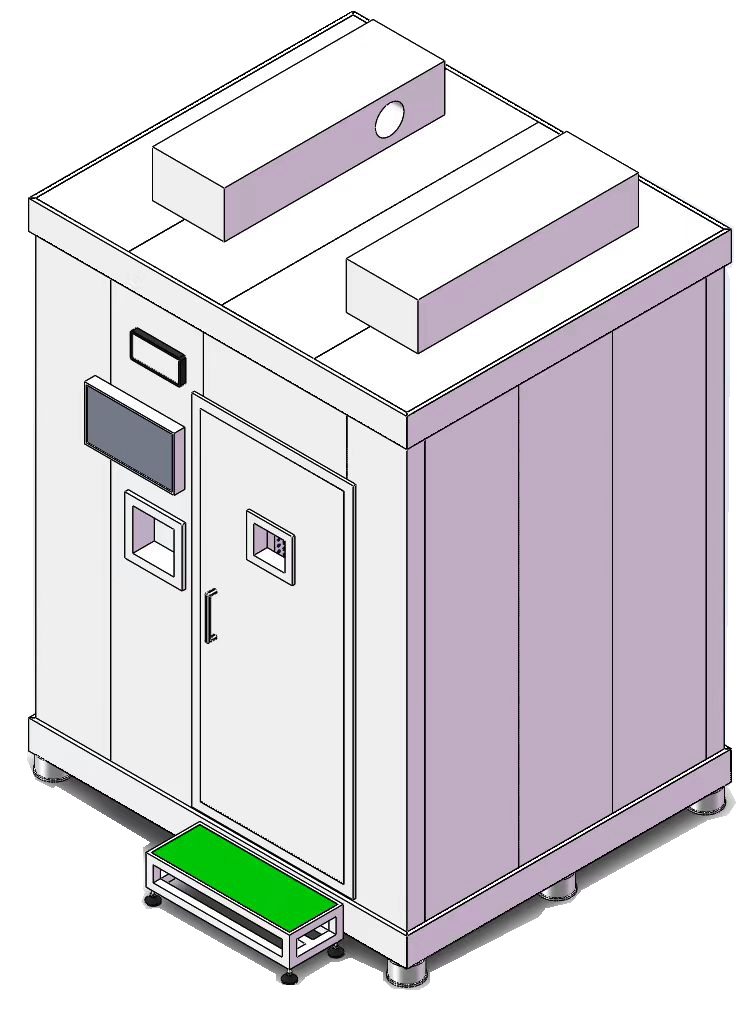 Imagen de producto
Una sala silenciosa sellada sigue necesitando aire fresco y refrigeración, tanto para los equipos que alberga como para las personas que trabajan en ella. La ventilación es una de las formas más fáciles de arruinar un objetivo de bajo ruido de fondo y una de las más difíciles de resolver bien. Así es como respira una sala silenciosa.
Imagen de producto: Imagen de estructura de static room que muestra dónde se ubican los módulos de ventilación y silenciamiento dentro de un recinto de bajo ruido.
Leer artículo completo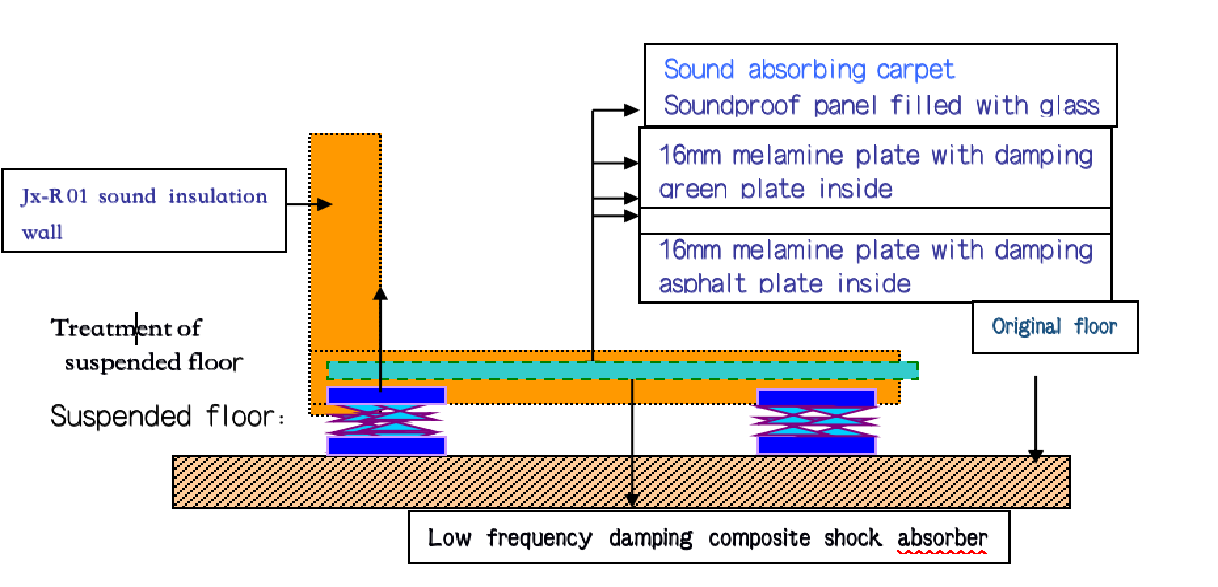 Diagrama técnico
Un objetivo de bajo ruido de fondo rara vez se pierde por las paredes: se pierde por el suelo. La vibración estructural es lo que diferencia una sala que parece insonorizada de una que mide como silenciosa. Así es como funcionan realmente los suelos flotantes y el aislamiento de vibraciones.
Diagrama técnico: Diagrama de aislamiento de suelo flotante usado para explicar cómo una static room se desacopla mecánicamente de la losa del edificio mediante aisladores elásticos.
Leer artículo completo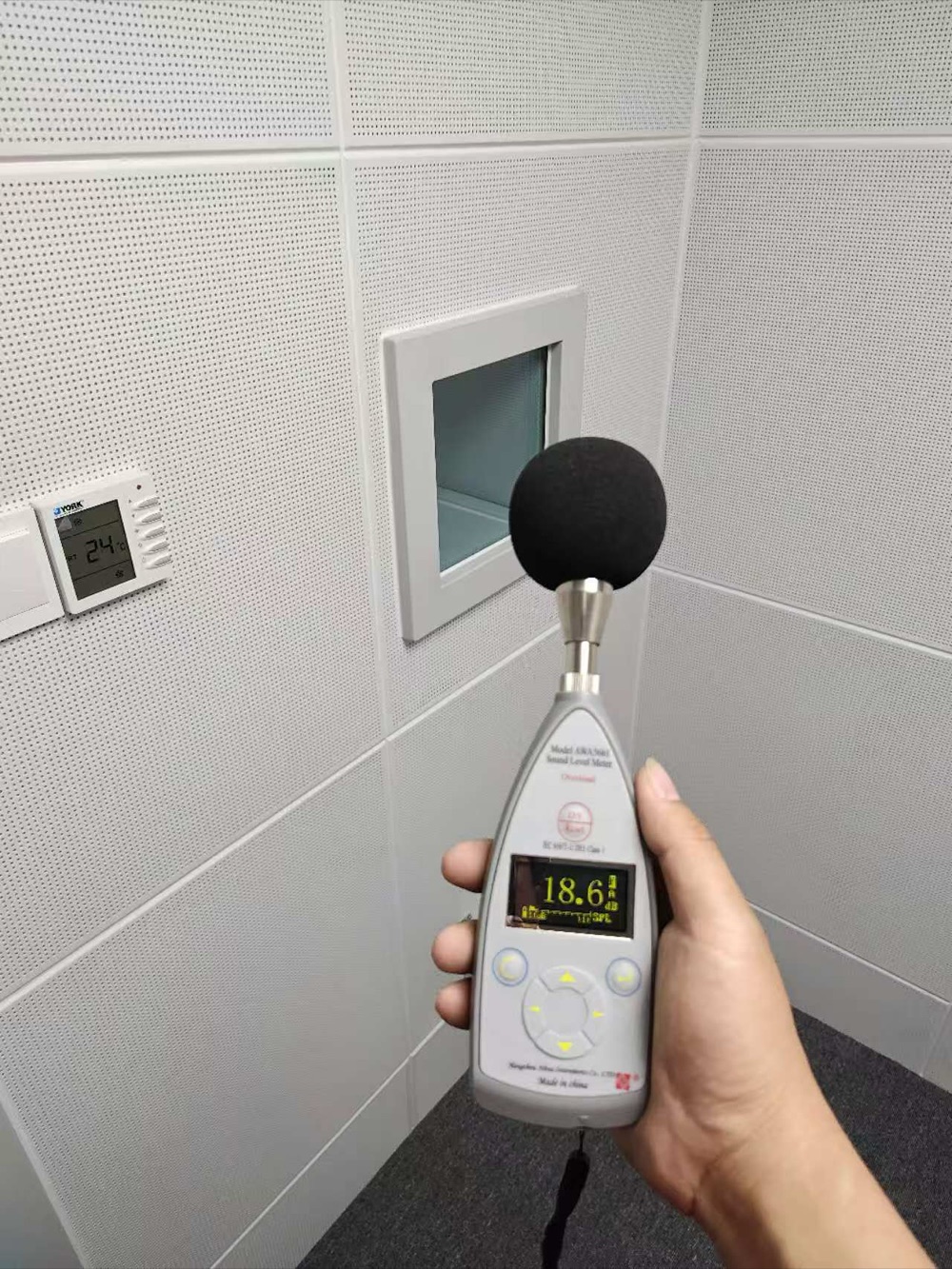 Evidencia de proyecto
La cláusula que evita la mayoría de los conflictos en proyectos acústicos es un criterio de aceptación medido. Esto es lo que debe quedar por escrito —el valor, el método, las condiciones y la solución— para que una sala de ensayos a medida se acepte por una cifra, no por una discusión.
Evidencia de proyecto: Foto de aceptación in situ de un proyecto internacional anonimizado, con una lectura de bajo ruido dentro de la sala terminada.
Leer artículo completo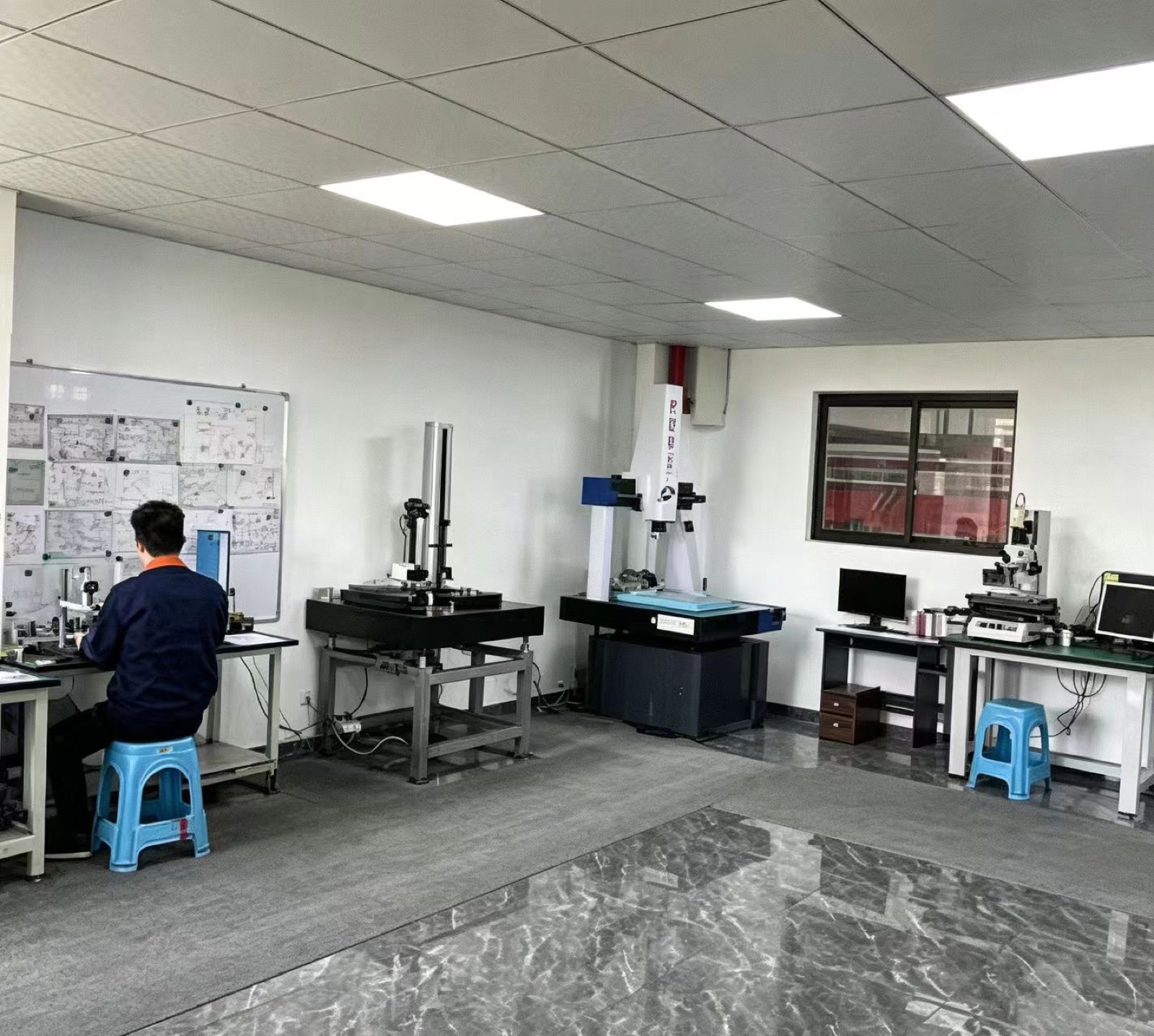 Foto de fábrica
Comprar una sala acústica personalizada en China puede aportar rendimiento medible y un costo total competitivo si el proveedor se evalúa correctamente. Ocho comprobaciones ayudan a distinguir un fabricante real de un revendedor.
Foto de fábrica: Foto de control de calidad en fábrica con equipos de metrología y flujo de inspección para piezas personalizadas.
Leer artículo completo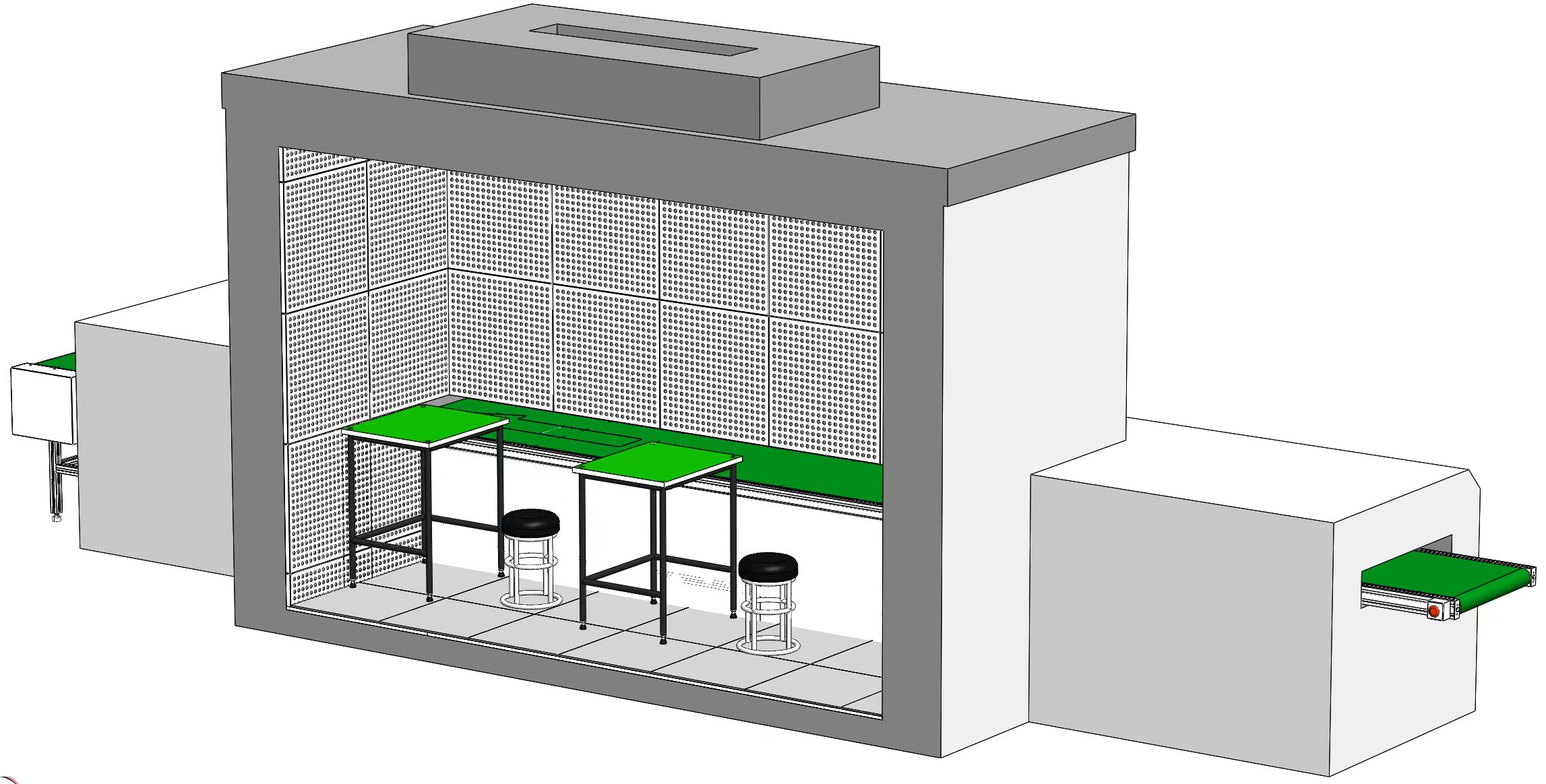 Imagen de producto
Una sala estática en línea debe alcanzar un objetivo de ruido de fondo mientras los productos siguen avanzando a través de ella sobre una cinta transportadora. Estas son las siete cuestiones que debe definir antes de solicitar una cotización — desde el takt time hasta las aberturas de paso — para que la sala se adapte a su línea, y no al revés.
Imagen de producto: Imagen de producto de una sala estática en línea que muestra pasos de transportador, puestos interiores y acceso de servicio antes de adaptarla a una línea activa.
Leer artículo completo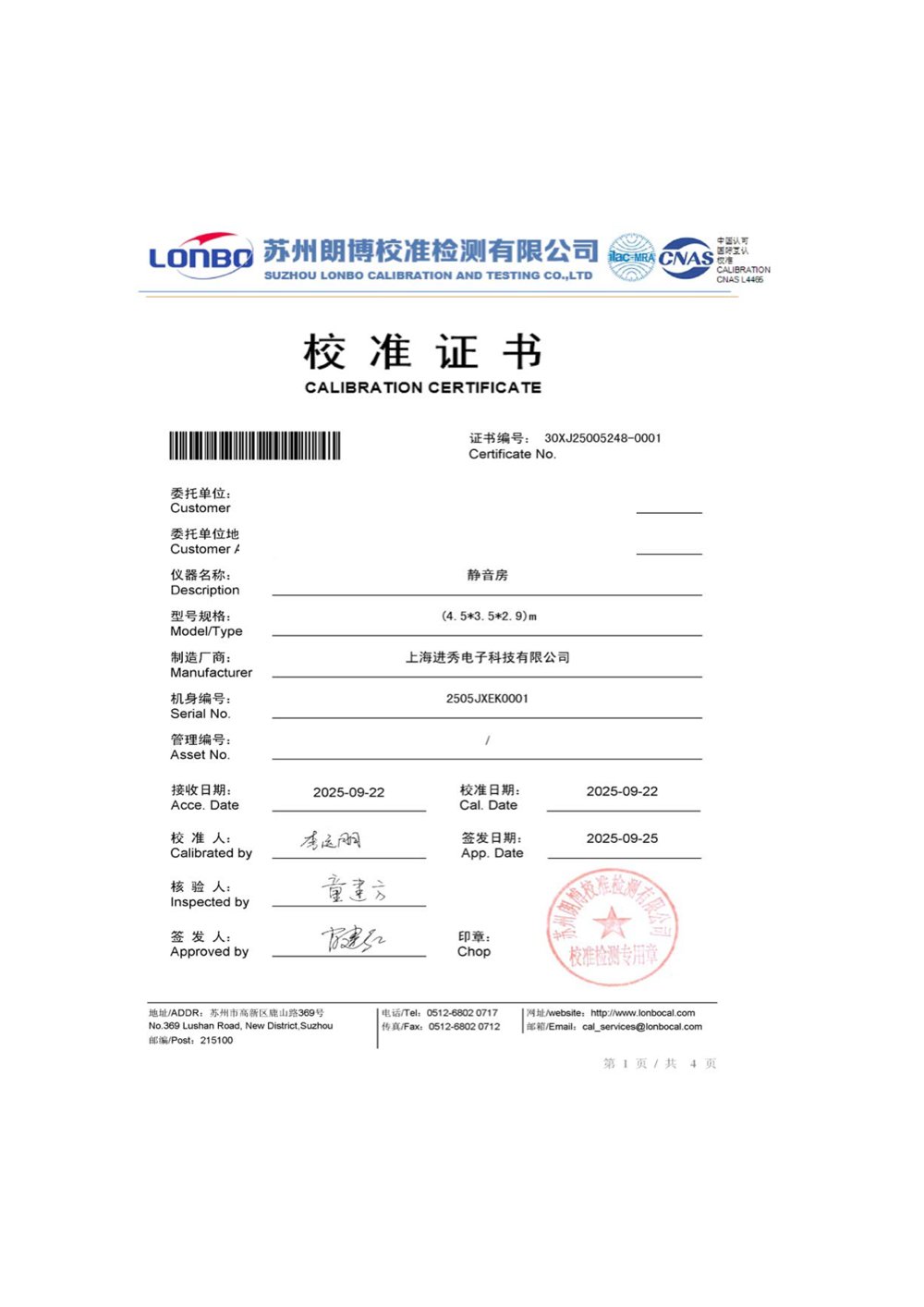 Informe de prueba
El ruido de fondo (dBA), el Noise Criterion (NC) y la reducción acústica (Rw) miden cosas distintas y se verifican de maneras distintas. Aquí se explica qué significa cada uno, cuándo especificarlo y por qué su cláusula de aceptación debería indicar un valor medido.
Informe de prueba: Miniatura de certificado de calibración CNAS redactado, usada como contexto de evidencia para métricas contractuales medibles como ruido de fondo, NC y Rw.
Leer artículo completo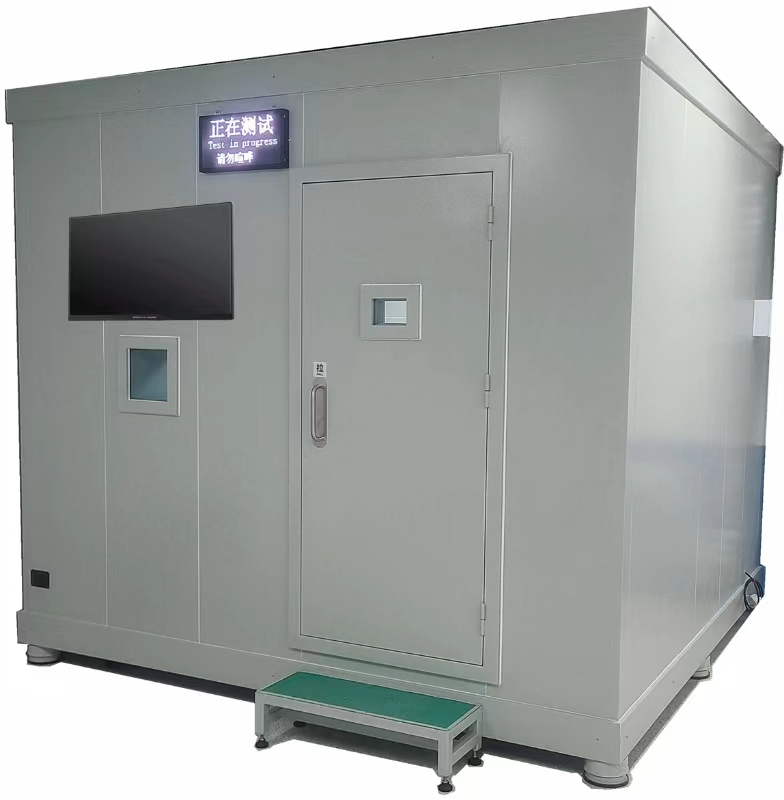 Imagen de producto
Desde el objeto bajo prueba, el ruido de fondo objetivo y el entorno de la nave industrial hasta el takt time de la línea y el presupuesto: seis pasos para elegir correctamente entre static room, anechoic chamber o soundproof enclosure.
Imagen de producto: Imagen de static room usada para comparar opciones comunes de equipos de prueba acústica.
Leer artículo completo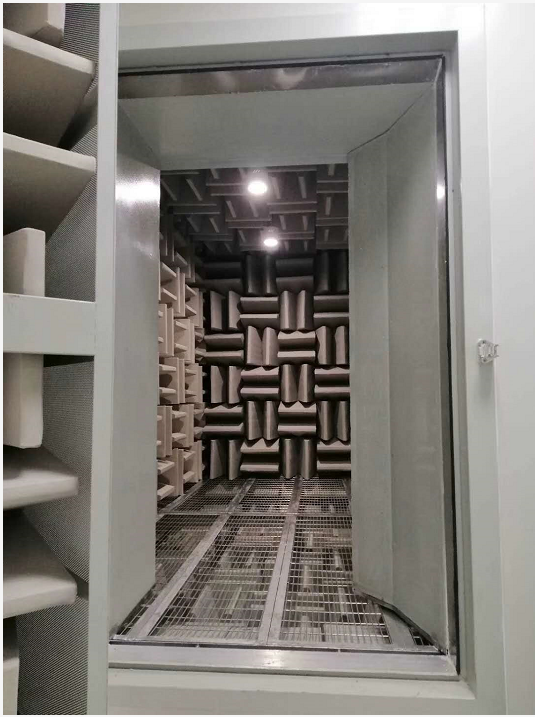 Imagen de producto
Una sola comparativa para entender el principio, los indicadores y los escenarios de aplicación de la anechoic chamber, la static room y el soundproof enclosure, y evitar errores de selección.
Imagen de producto: Imagen de anechoic chamber usada para explicar geometría de cámara, absorción y usos de prueba.
Leer artículo completo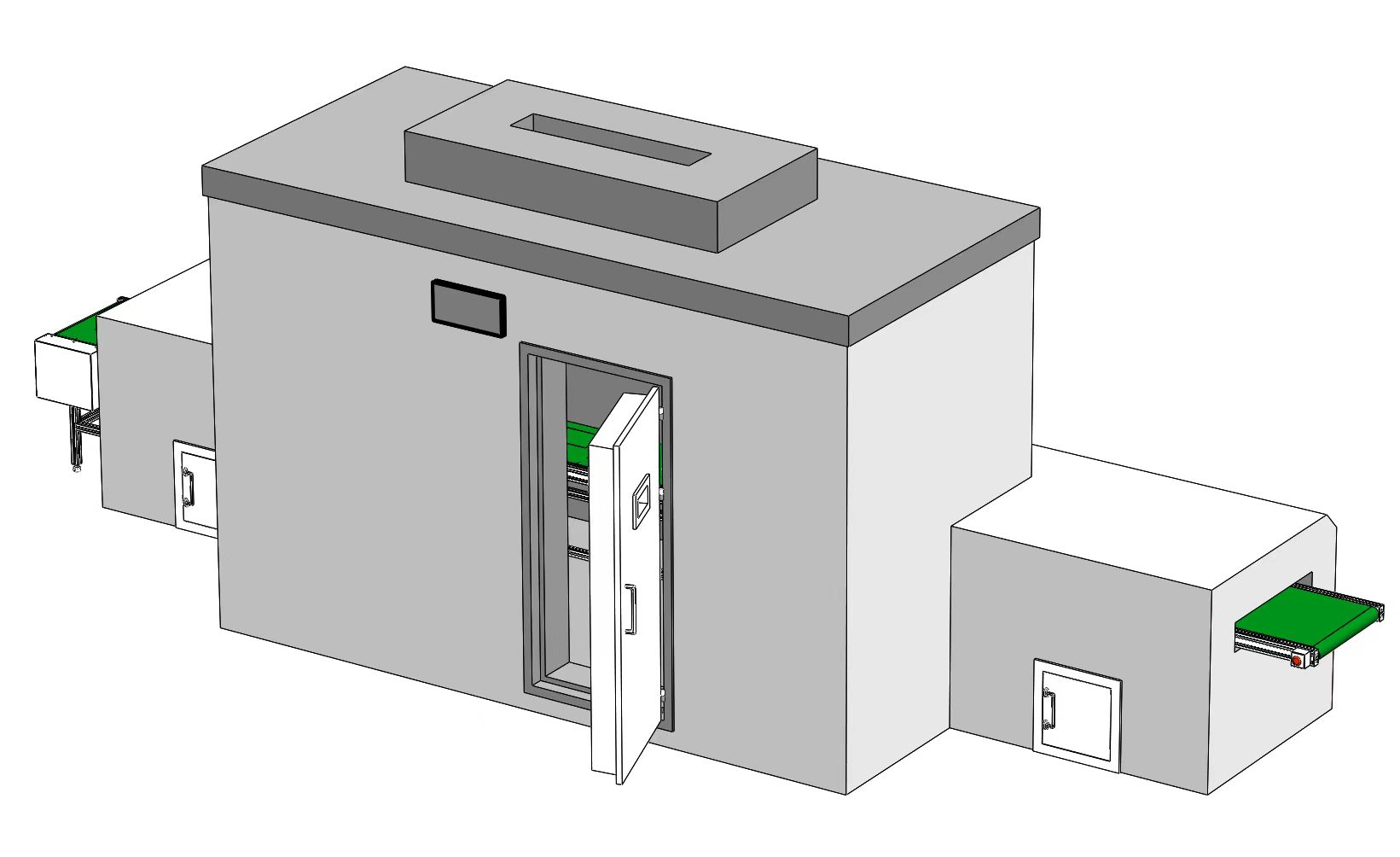 Imagen de producto
En la era de la full inspection, ¿cómo lograr que el producto atraviese la línea de producción para completar la prueba de ruido? Analizamos el silenciamiento de aberturas, el ajuste al takt time y el diseño de vibration isolation de la inline (production-line) static room.
Imagen de producto: Imagen de inline static room que muestra la estructura de paso utilizada en líneas de full inspection.
Leer artículo completo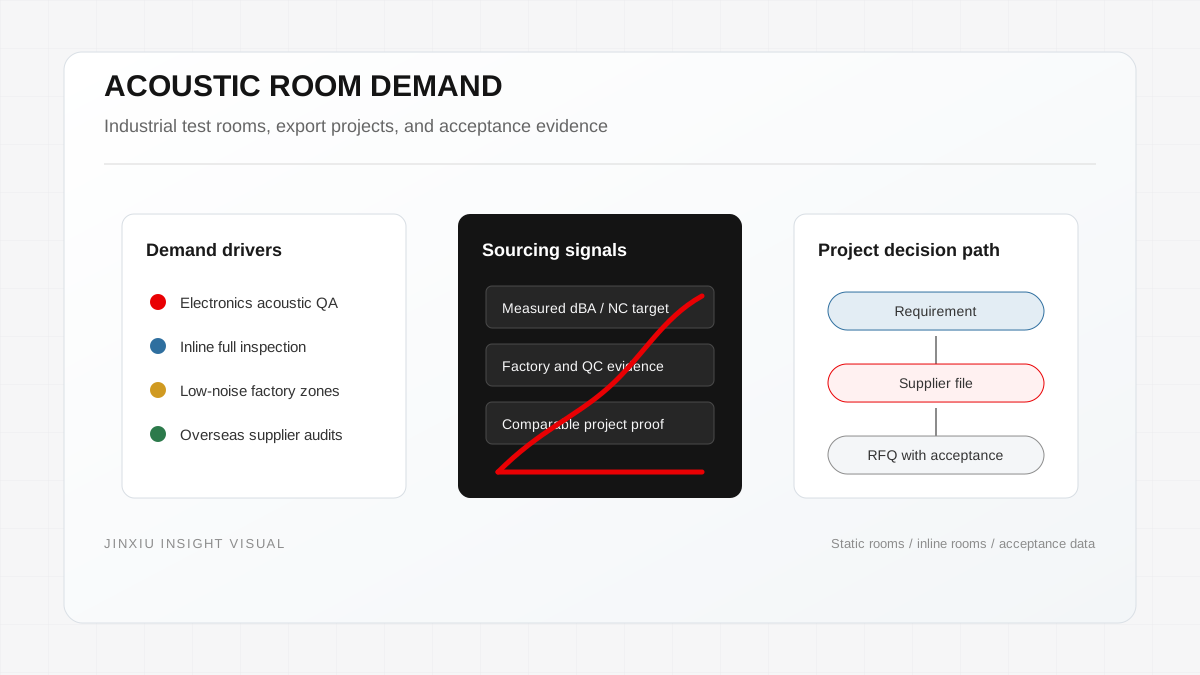 Diagrama técnico
En 2025 el tamaño del mercado ronda los 18 000 millones de yuanes, con predominio industrial y un repunte del uso comercial y residencial, consolidándose tres tendencias: inteligencia, segmentación y normalización.
Diagrama técnico: Matriz de tendencias de mercado usada para mostrar impulsores de demanda industrial, señales de sourcing y evidencia de aceptación en proyectos de salas acústicas.
Leer artículo completo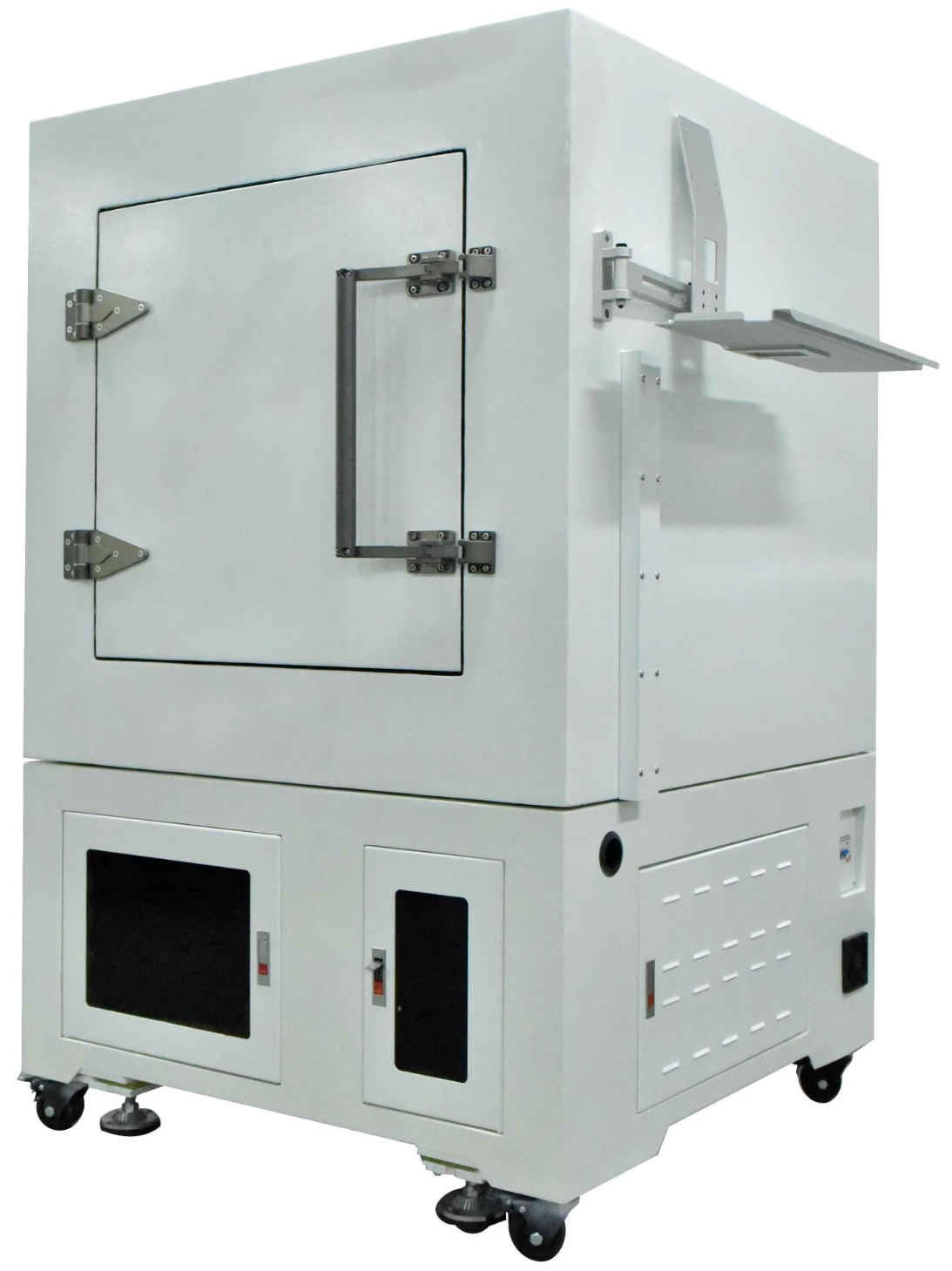 Imagen de producto
Decibelio, aislamiento acústico, absorción acústica, amortiguación y aislamiento de vibraciones, tiempo de reverberación: cinco conceptos clave para comprender la lógica de fondo de la ingeniería del silencio.
Imagen de producto: Imagen de caja insonorizada usada para explicar principios básicos de aislamiento y absorción.
Leer artículo completo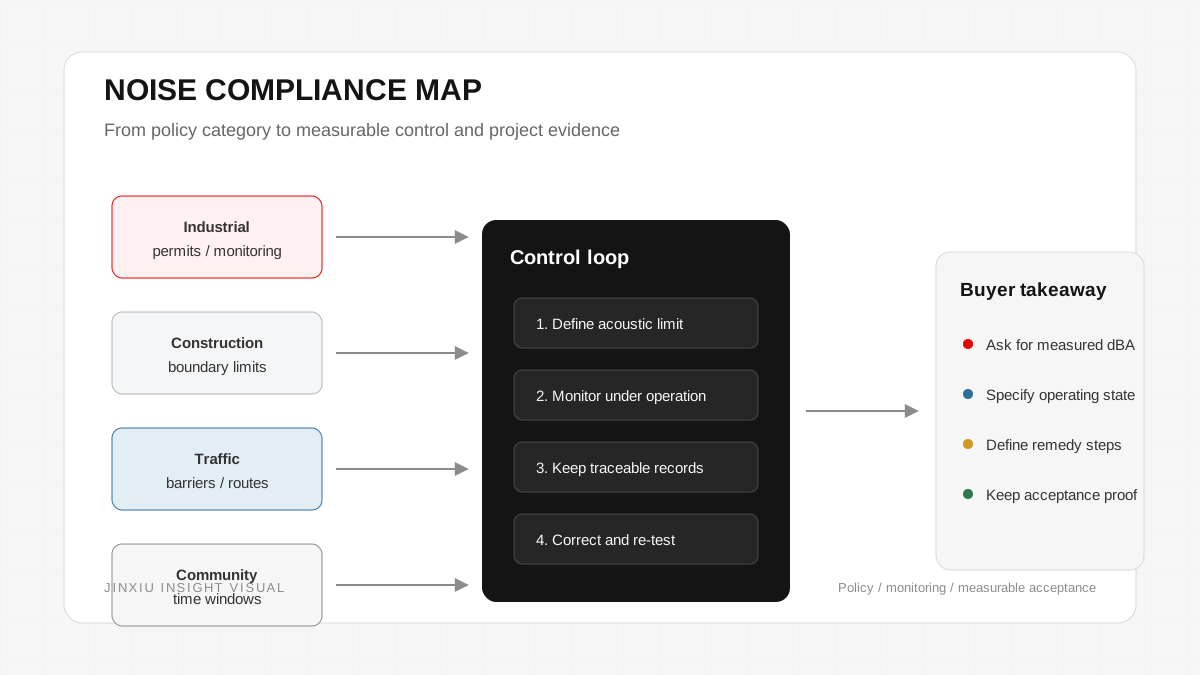 Diagrama técnico
Desde la Ley de Prevención y Control de la Contaminación Acústica hasta el Plan de Acción del XIV Plan Quinquenal, repasamos los puntos clave de control en cuatro grandes ámbitos: industria, construcción, transporte y vida social.
Diagrama técnico: Flujo de cumplimiento de ruido usado para conectar categorías normativas con monitoreo, registros, acciones correctivas y evidencia de aceptación medible.
Leer artículo completo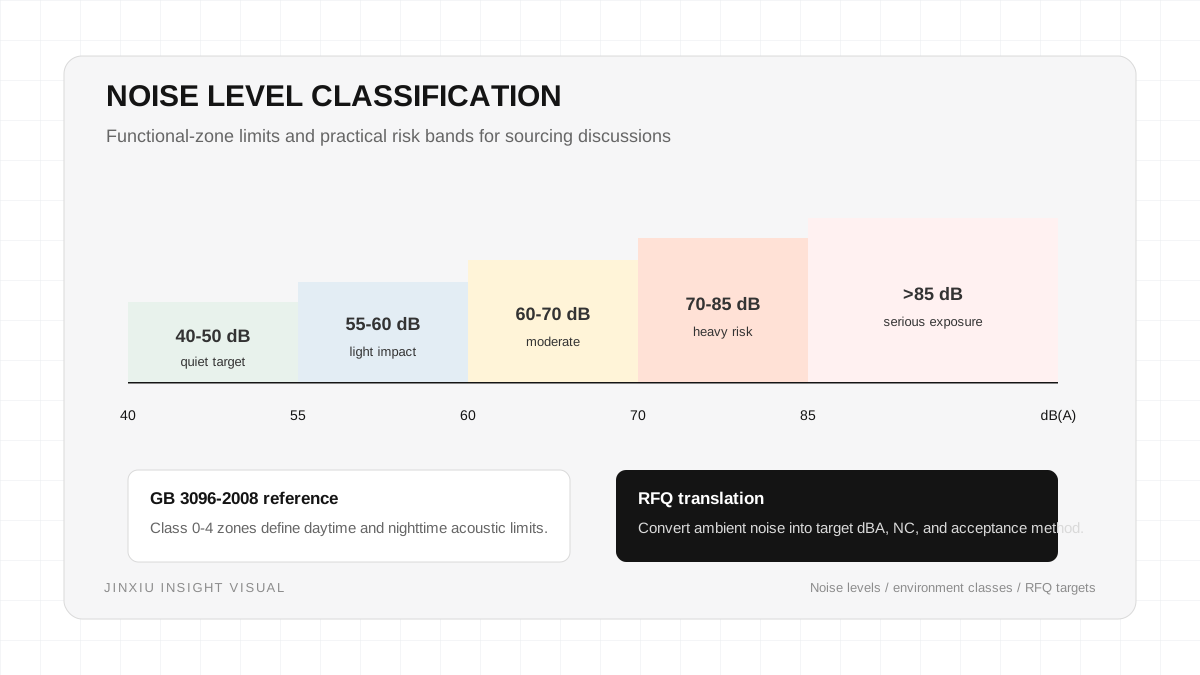 Diagrama técnico
Una guía para entender la norma GB 3096-2008 sobre las cinco categorías de zonas funcionales acústicas, la clasificación de la contaminación acústica y los límites de emisión en escenarios especiales.
Diagrama técnico: Escala de niveles de ruido usada para comparar clases de entorno acústico, límites diurnos y nocturnos, y bandas de severidad antes de convertir una condición de sitio en un objetivo de RFQ.
Leer artículo completoLa sala insonorizada se centra en bloquear el ruido exterior; la cabina silenciosa, sobre esa base, suma absorción, atenuación y aislamiento de vibraciones para lograr un ruido de fondo mínimo.
Su objetivo central es bloquear el ruido exterior, basándose principalmente en el aislamiento pasivo y enfocándose en "aislar el sonido". El aislamiento acústico suele ser de 30–45 dB, con una estructura sencilla (paneles de una / doble capa + lana acústica común), adecuada para separaciones de oficina, salas de transmisión, salas de música y aislamiento de naves industriales comunes.
Sobre la base del aislamiento, suma absorción interior, atenuación, aislamiento de vibraciones y reducción de ruido en la ventilación; aísla el ruido exterior y elimina el eco interior y los residuos de baja frecuencia, logrando un ruido de fondo extremadamente bajo. Con un aislamiento acústico superior a 50 dB, combina amortiguación compuesta multicapa + aislamiento flotante de vibraciones + sellado + suministro de aire fresco insonorizado, ideal para inspección de precisión, pruebas acústicas, grabación, audiometría y cápsulas de descanso de alta gama.
Una cabina silenciosa común se considera aceptable con ≤40 dB(A), la inspección industrial con ≤30 dB(A) y las aplicaciones profesionales de precisión con ≤20 dB(A).
La aceptación se redacta como un valor de dBA medido in situ con un sonómetro Class-1 (IEC 61672), bajo condiciones acordadas, de modo que usted acepta la sala sobre la base de un resultado verificado, no de una promesa.
Antes del proyecto, definimos el objetivo en su contrato como un valor medido; por ejemplo, ≤30 dBA en el interior de la sala con el HVAC en funcionamiento y la línea en operación. Al finalizar, la sala se mide in situ con un sonómetro Class-1 (IEC 61672). Si no se alcanza el valor, no se acepta. En proyectos ya entregados se han medido valores tan bajos como 9.7–18.6 dBA en plantas reales de clientes.
Sí. Las salas se fabrican en Shanghái, se exportan en formato flat-pack y se ensamblan y ponen en marcha in situ, incluso en plantas en el extranjero como en Vietnam.
Las salas acústicas se fabrican en Shanghái, se envían como paneles desmontados y se montan, sellan y ponen en marcha en destino. Jinxiu ha completado instalaciones internacionales anonimizadas en el Sudeste Asiático y exporta a Tailandia, Vietnam, India, Estados Unidos y México. La aceptación medida también se aplica a proyectos internacionales.