Acoustics basics
Acoustics fundamentals explained
Decibels, sound insulation, sound absorption, vibration damping and isolation, reverberation time — five key concepts that reveal the underlying logic of silent engineering.
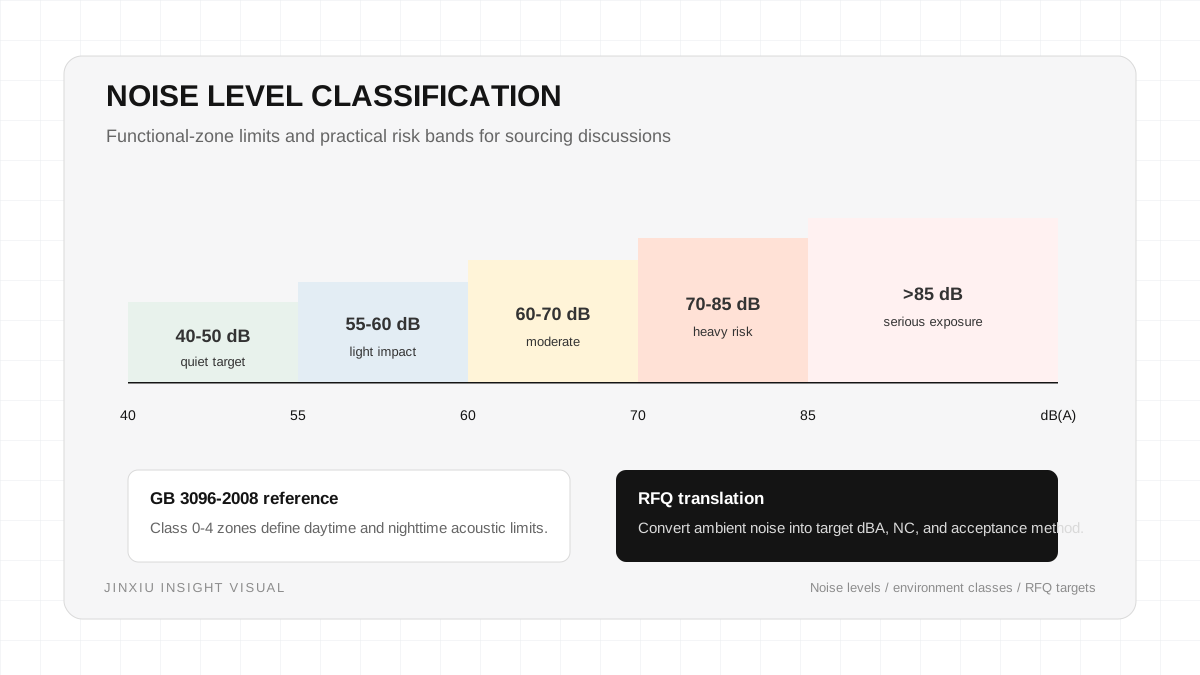
- Decibel (dB): the core unit for measuring sound intensity; everyday use applies dB(A) ear-weighting. Every 10 dB increase doubles perceived loudness; ≤45 dB is quiet, while prolonged exposure above 85 dB readily damages hearing.
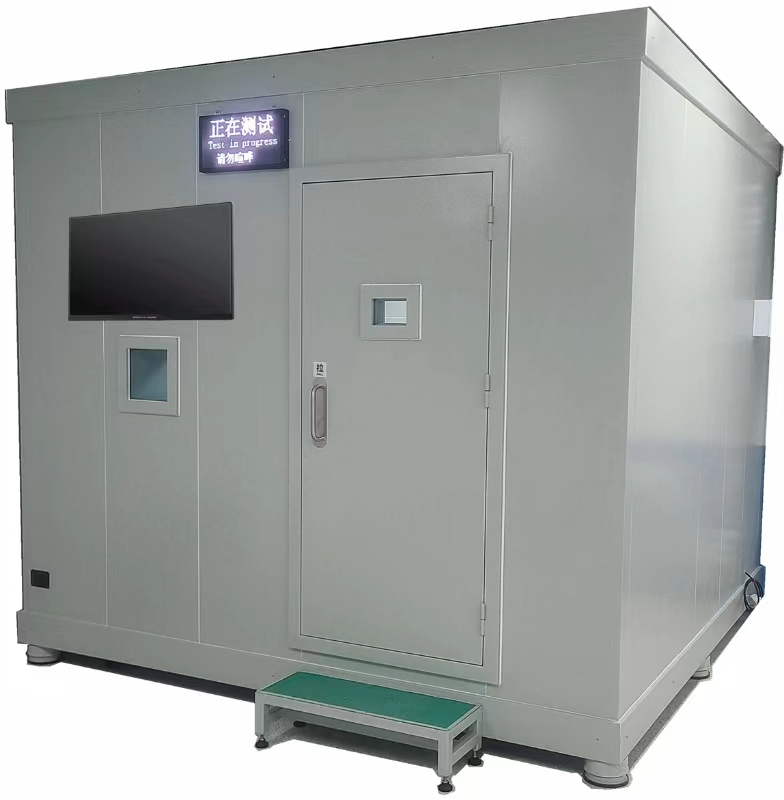
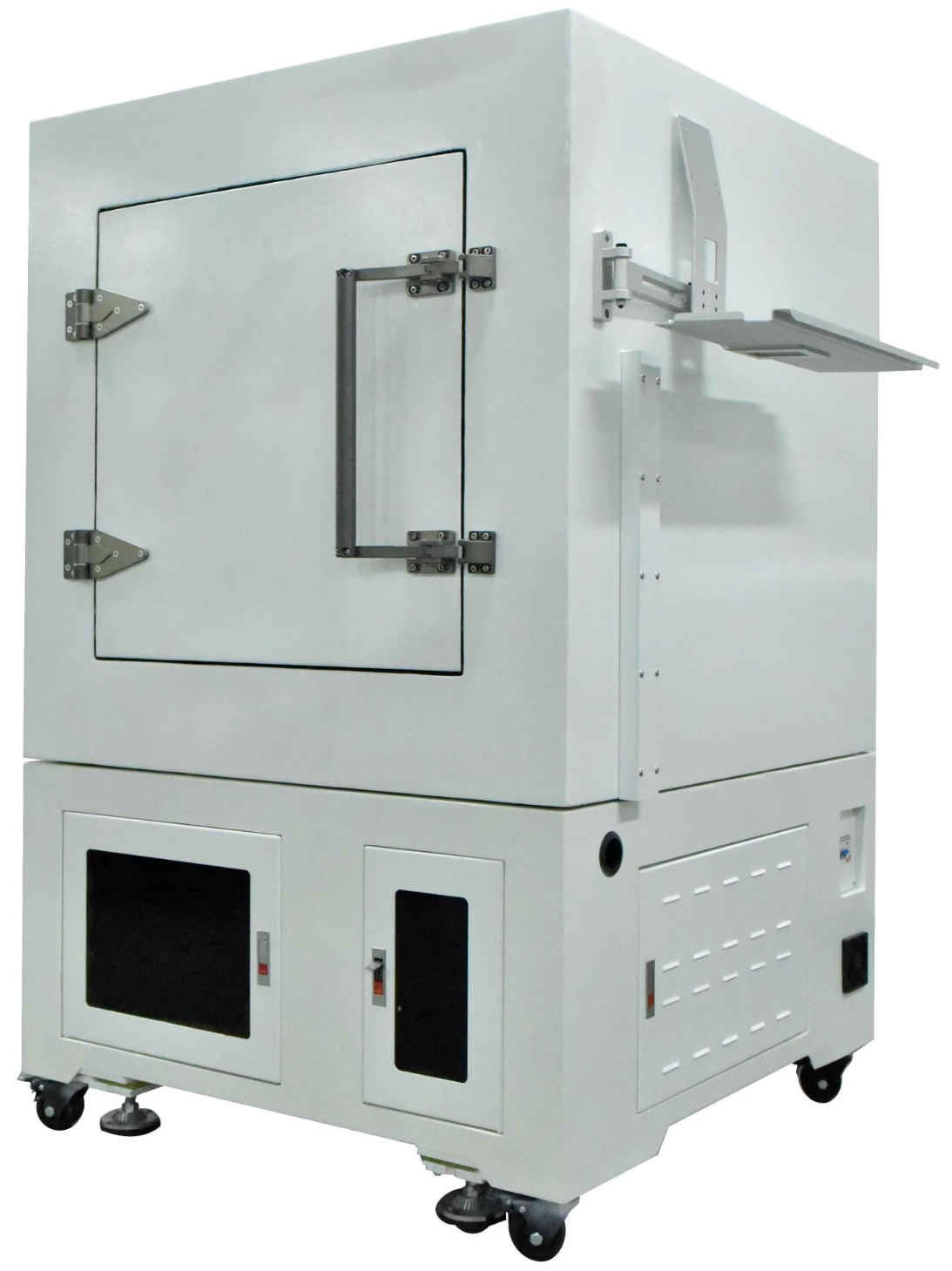
- Sound insulation: a component's ability to block airborne sound (dB) — the higher the better. It follows the mass law: dense, heavy, gap-free, double-cavity construction performs best.
- Sound absorption: porous and fibrous materials dissipate sound energy and reduce reflected echoes, shortening reverberation and cleaning up the sound field; it optimizes interiors only and cannot replace insulation structures.
- Vibration damping and isolation: controls structure-borne sound (equipment vibration, floor impact, low-frequency vibration from fans and pumps) by cutting rigid transmission paths; low frequencies must be addressed with vibration damping.
- Reverberation time (T60): the time for sound to decay 60 dB after the source stops; hard, smooth spaces have long reverberation and heavy echoes, which absorptive materials can shorten.