Choosing an Acoustic Test-Room Supplier in China: A Buyer’s Checklist
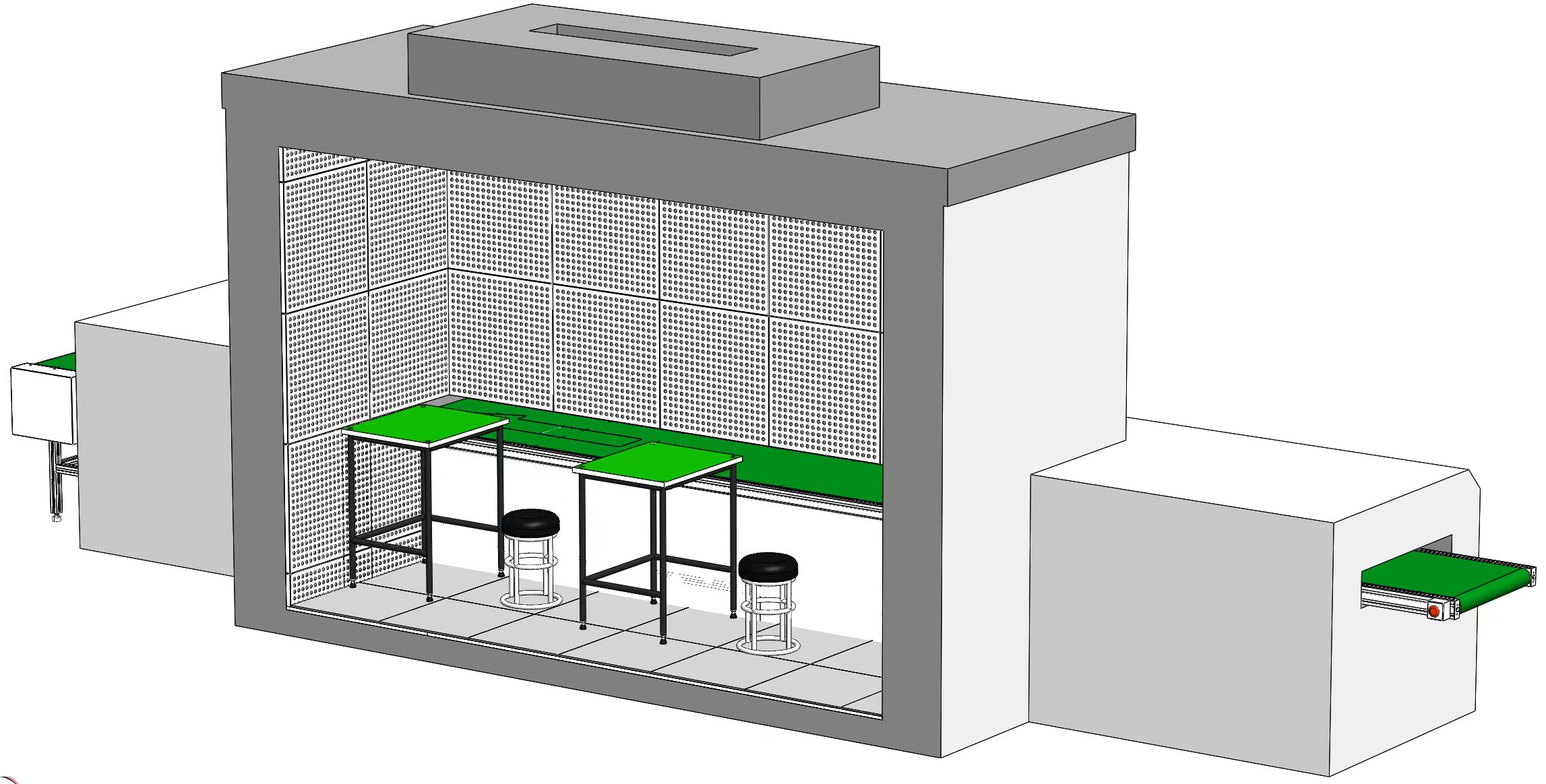
Sourcing a custom acoustic test room from China can deliver measurable performance at a competitive total cost — if you vet the supplier correctly. Eight checks separate a real manufacturer from a reseller and protect a project that is expensive to redo.

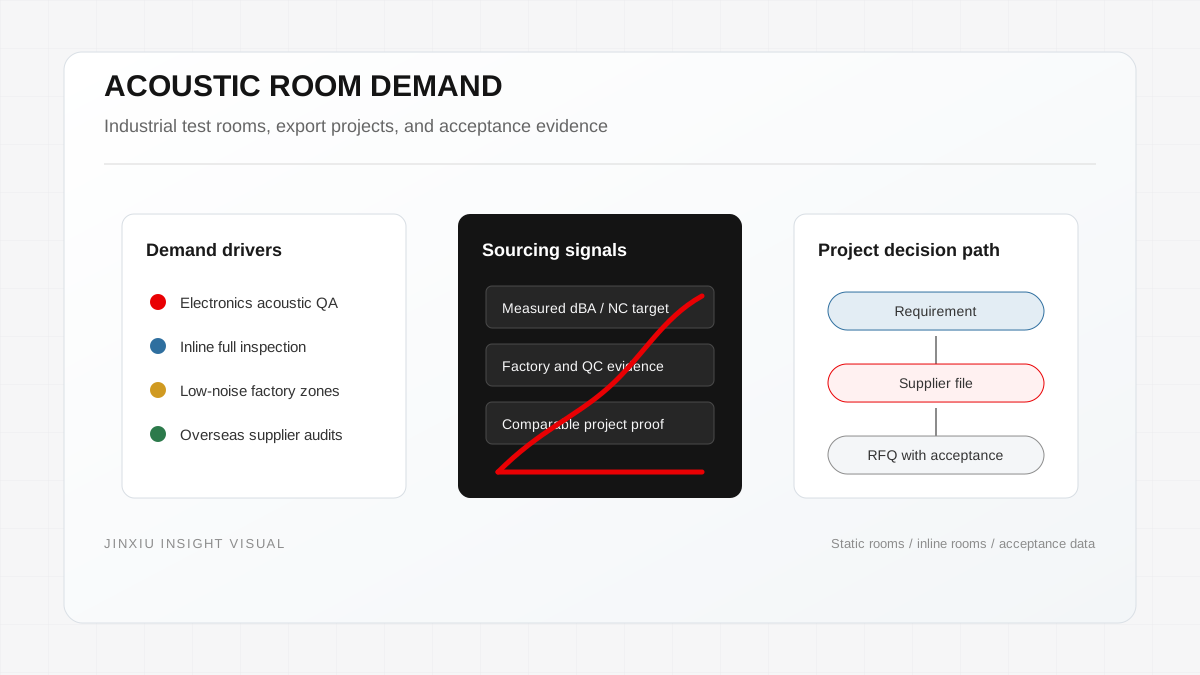
A custom acoustic test room is expensive, hard to rework and easy to get wrong from a distance. The sourcing advantage is real, but only when the supplier can prove manufacturing scope, acceptance methods and delivered project capability. Run these eight checks before you commit.
1. Do they manufacture, or resell?
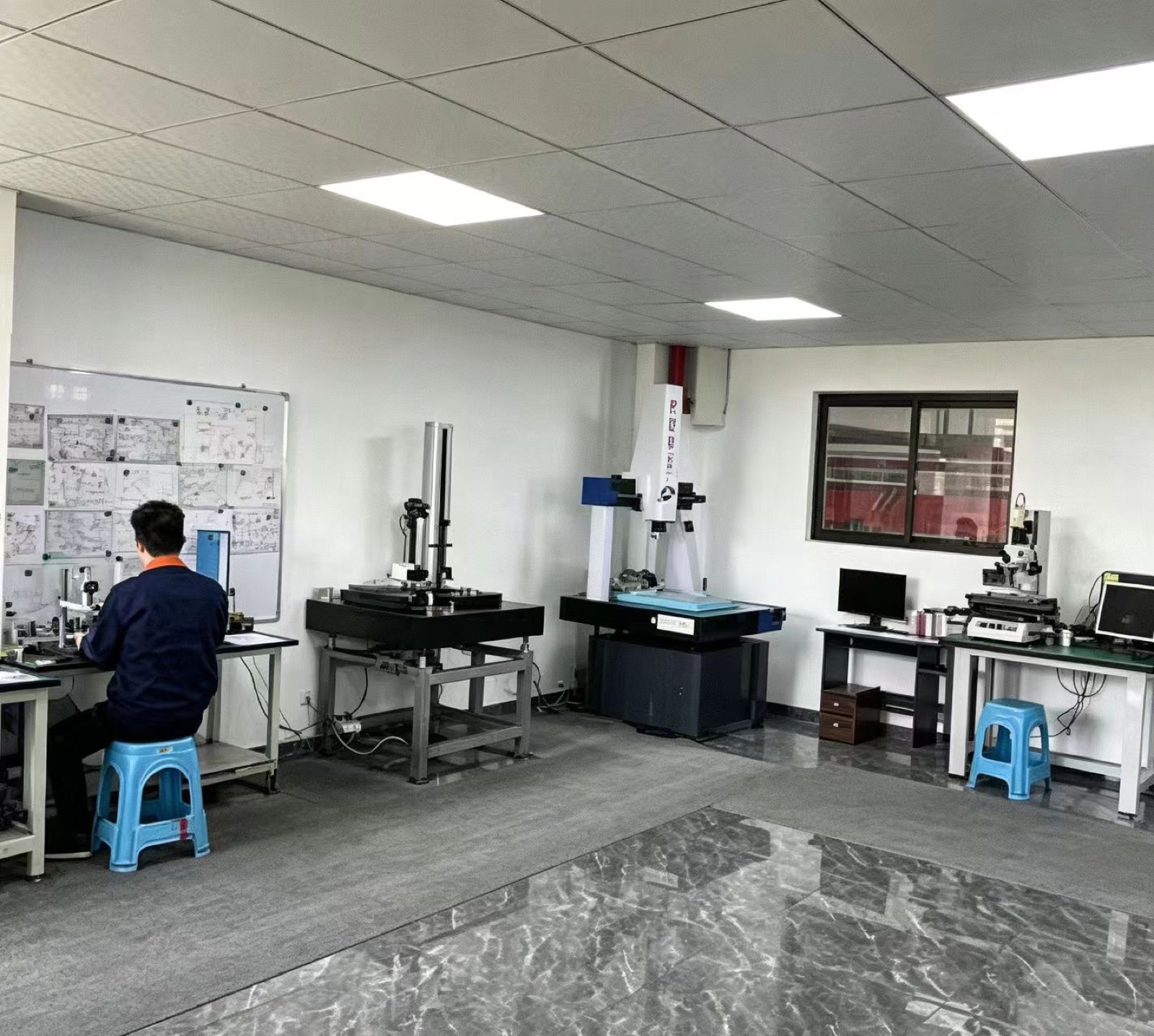
Ask to see the workshop: CNC machining, sheet-metal forming, panel fabrication and assembly under one roof. A real manufacturer controls quality and lead time; a reseller is at the mercy of a sub-supplier you never meet.
2. Will they commit to a measured number?
A serious supplier writes acceptance as an on-site measured dBA with a Class-1 meter (IEC 61672), under defined conditions. If they only promise a target without a measurement method, you have no clean way to accept — or reject — the room.
3. Can they show measured results from delivered projects?
Ask for real before/after numbers — exterior level versus in-room measured dBA — ideally from a comparable project. Verifiable results beat brochure claims every time.
4. Reference projects with named or describable clients
Top-tier OEMs and EMS providers are demanding customers; a supplier who has passed their audits has cleared a high bar. Ask which client tiers and project types they have delivered.
5. Third-party calibration and certifications
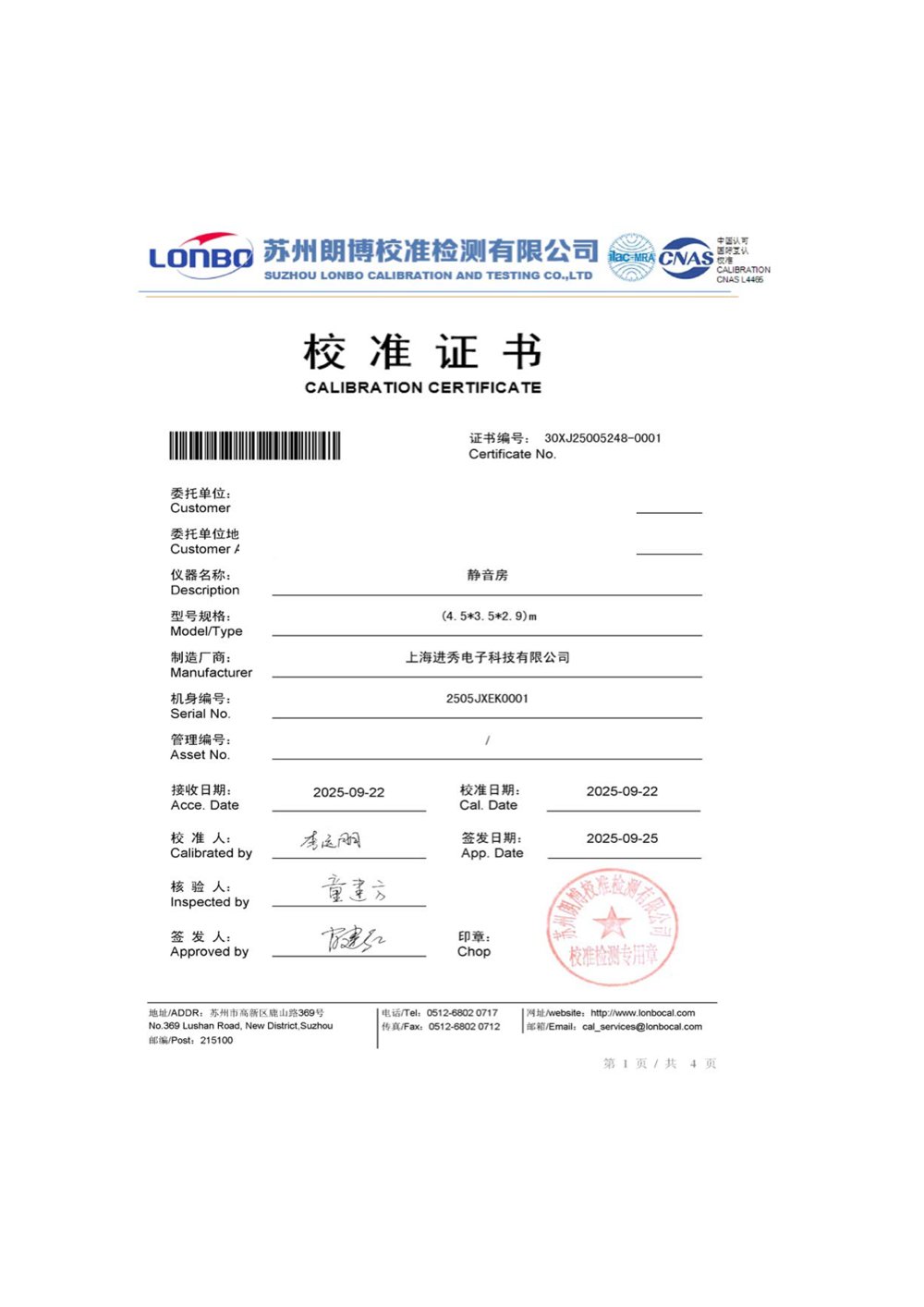
Independent calibration of finished rooms (for example by a CNAS-accredited lab) shows the supplier stands behind performance, not just appearance.
6. Export and on-site installation experience
Has the supplier shipped and installed abroad? Flat-pack export, on-site assembly and commissioning in your country are different skills from building in their own factory. Ask for overseas-install evidence.
7. Cross-language, cross-time-zone communication
You will be coordinating drawings, changes and acceptance across a language and time-zone gap. Confirm there is an English-capable contact and a stated response time before, not after, you order.
8. Lead time, warranty and after-sales
Get the delivery schedule, warranty terms and after-sales process in writing. A custom room is a multi-year asset; the relationship matters as much as the price.
Jinxiu manufactures in Shanghai, accepts every room on a measured number, holds third-party calibration, and has exported and installed for leading electronics manufacturers. If you are running this checklist, we are happy to answer all eight points directly.