How to Select Acoustic Test Equipment for Electronics Production Lines: A Six-Step Procurement Decision Guide
From the device under test, target background noise, and shop-floor environment to line takt time and budget, six steps to choose the right static room, anechoic chamber, or soundproof enclosure.
With acoustic test equipment, more expensive is not better. The goal is to match your test requirements exactly. Choosing wrong leads to two kinds of loss: background noise that fails to meet target, distorting your test data, or over-engineering that wastes cost and lead time. The six steps below will help you define your requirements clearly.
Step 1: Define what you are testing
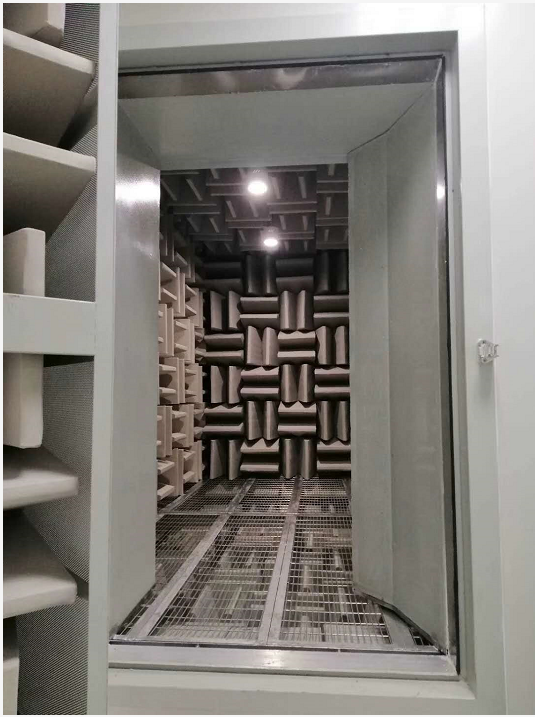
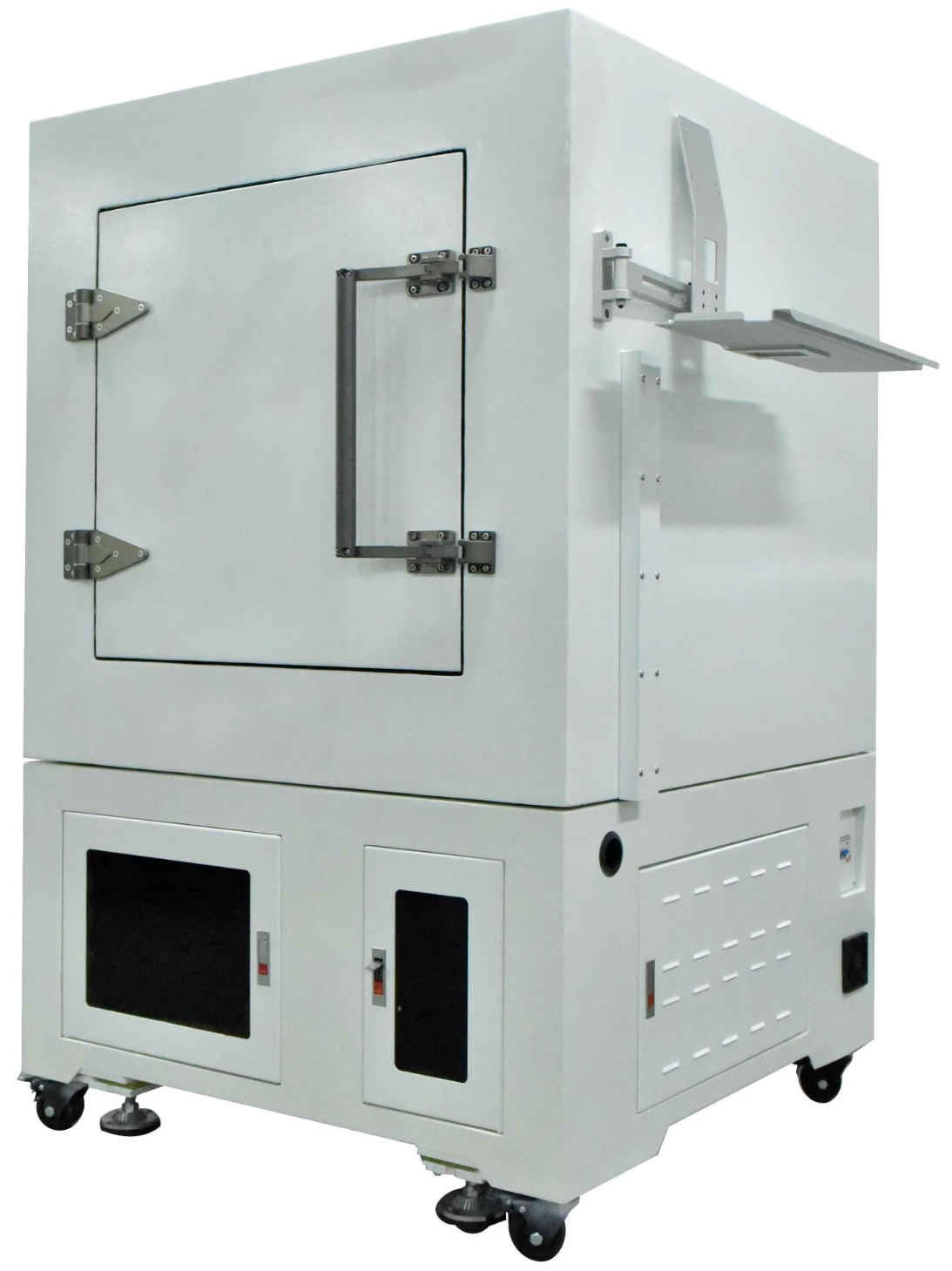
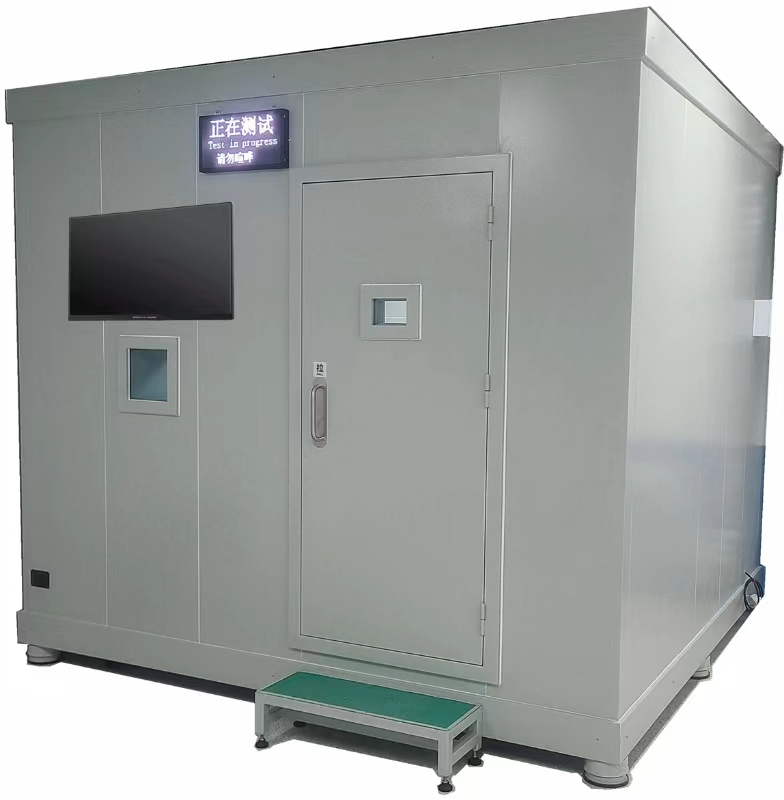
The device under test drives the acoustic solution. Speakers, microphones, finished-product rattle and buzz, motor/fan noise, and component squeal each place different demands on the free field, background noise, and frequency range. Precision acoustic measurement (such as speaker frequency response) typically calls for an anechoic chamber; production-line rattle/buzz and functional screening most often use a static room; single-component noise comparison can be handled with a soundproof box.
Step 2: Set the target background noise (dBA)
- General functional / commercial testing: ≤40 dBA is acceptable
- Industrial product noise inspection: ≤30 dBA (precision ≤25 dBA)
- Medical audiometry / laboratory / recording grade: ≤20 dBA
- Ultra-low anechoic chamber: ≤10–15 dBA
The lower the target, the higher the combined demands on sound insulation, sound absorption, vibration isolation, and silenced ventilation, and the higher the cost. Work backwards from your actual test standard rather than blindly chasing an extremely low background.
Step 3: Assess external ambient noise
The gap between your in-room target and the shop-floor background determines the sound reduction index you need. For example, a 75 dBA shop floor and a 30 dBA in-room target mean total noise reduction must exceed 45 dB, with particular attention to low frequencies and structure-borne sound (equipment vibration, forklifts, stamping). The louder the ambient noise and the stronger the low frequencies, the more critical the wall structure and vibration-isolation design become.
Step 4: Does it need to be integrated into the production line?
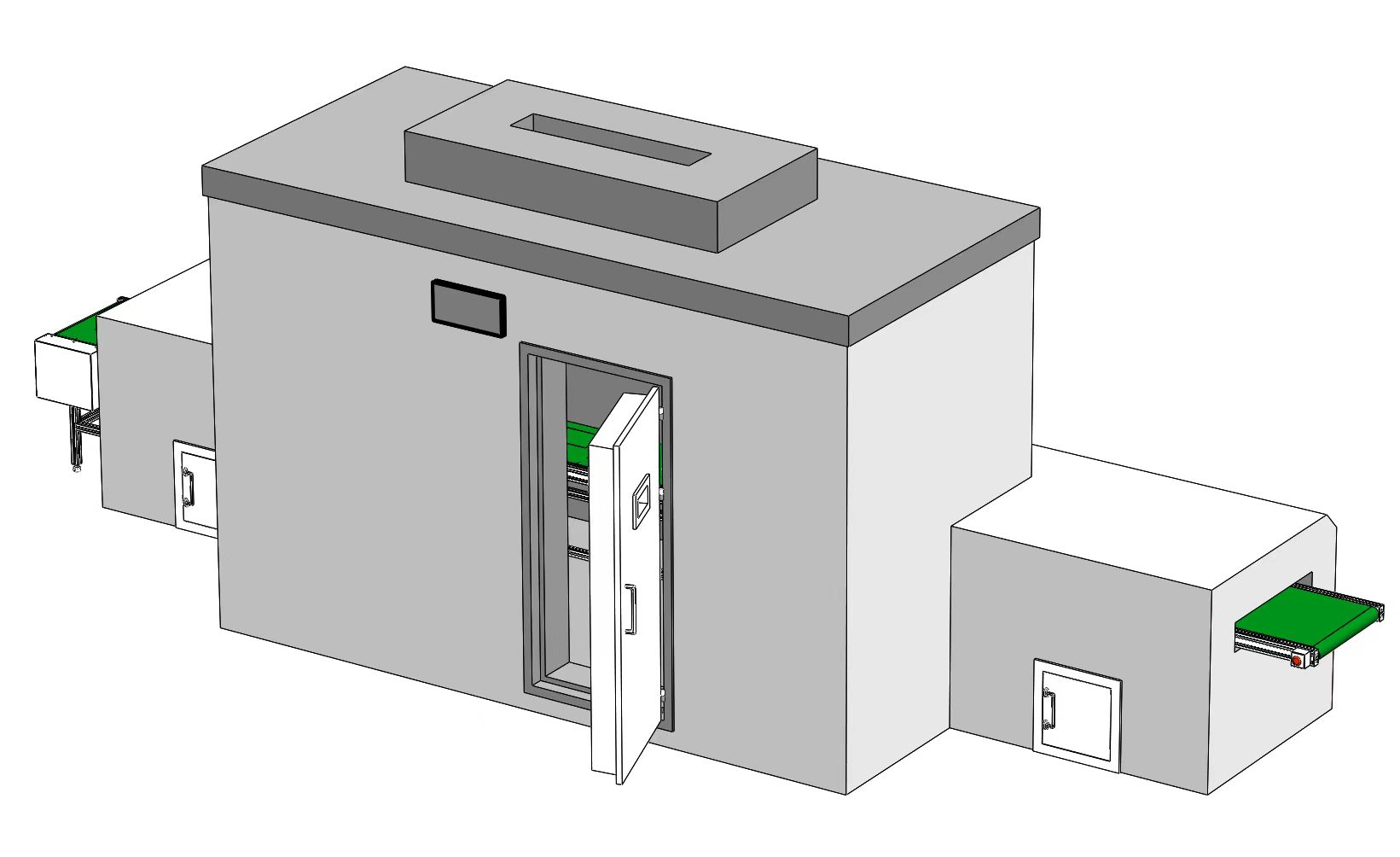
A standalone static room suits sampling inspection and offline testing. If you require full inspection and the product must travel along the line, choose an inline (production-line) static room. It passes through the line with built-in infeed/outfeed openings and sound-absorbing tunnels, maintaining a compliant in-room background even in a noisy shop floor. Inline solutions place higher demands on opening attenuation, takt-time matching, and sealing.
Step 5: Ventilation, temperature/humidity, and access
Long test cycles require silenced fresh air to avoid heat buildup that affects equipment and personnel; some semiconductor and battery tests also require temperature/humidity control and explosion protection. The door's sound reduction index must approach that of the wall, or it becomes the weak link, which is precisely the value of Jinxiu's in-house dual-magnetic 'sound lock' acoustic door.
Step 6: Budget, lead time, and acceptance criteria
Write acceptance into the contract: on-site measured background noise, insertion loss (IL), or weighted sound reduction index (Rw) as delivery criteria, rather than relying solely on the manufacturer's claims. Also confirm the installation schedule, whether a production shutdown is required, and ongoing maintenance. For custom, non-standard projects, the clearer the requirements up front, the more controllable the delivery.
Jinxiu has delivered solutions for leading electronics manufacturers, ranging from individual acoustic test rooms to 500㎡+ controlled test facilities. Contact our engineers for selection support or a site assessment.