Inline Static Rooms: The Engineering Essentials of Building 'Quiet' Into the Production Line
In the era of full inspection, how do you let products travel along the line to complete noise testing? An analysis of the opening attenuation, takt-time matching, and vibration-isolation design of inline static rooms.
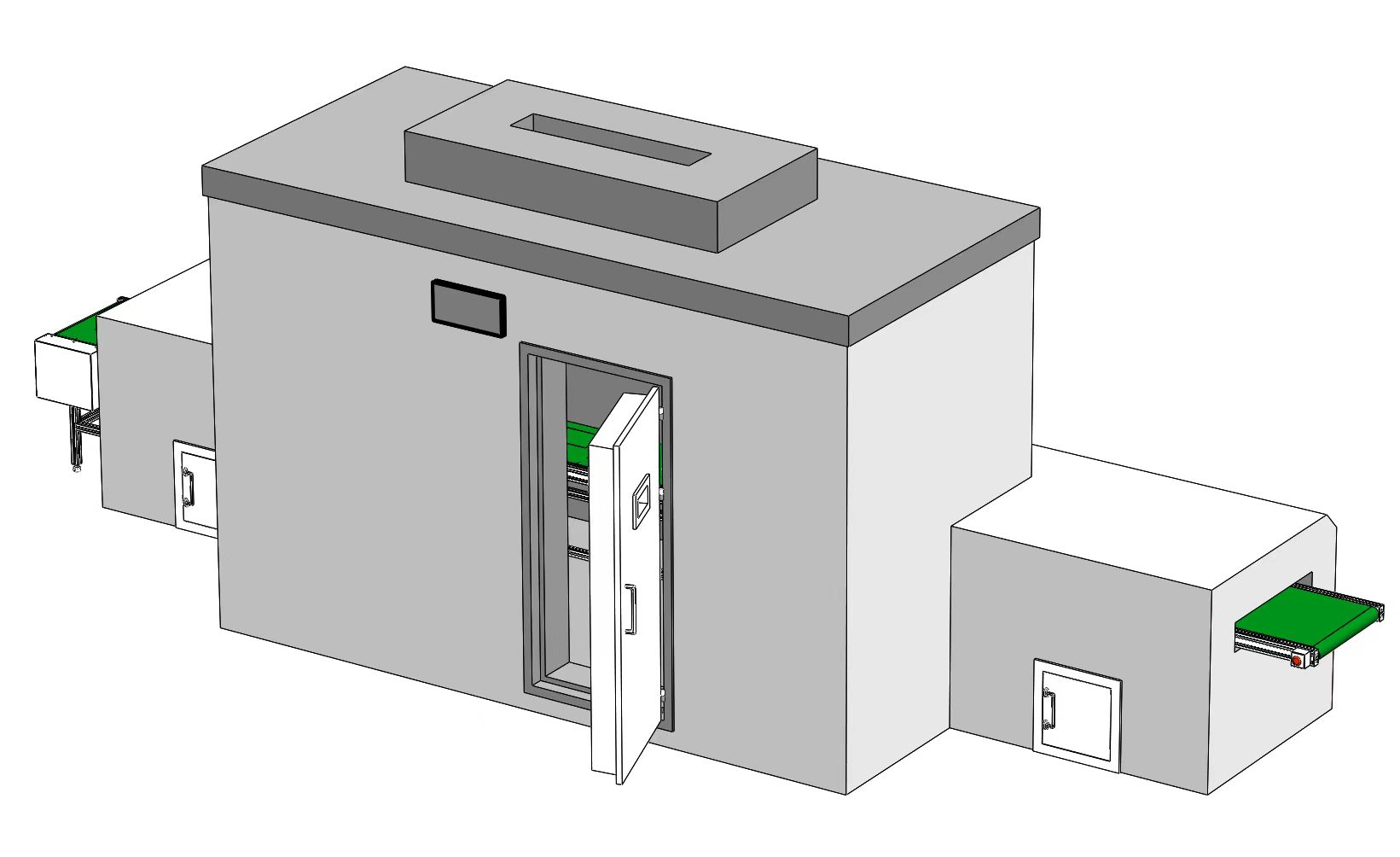
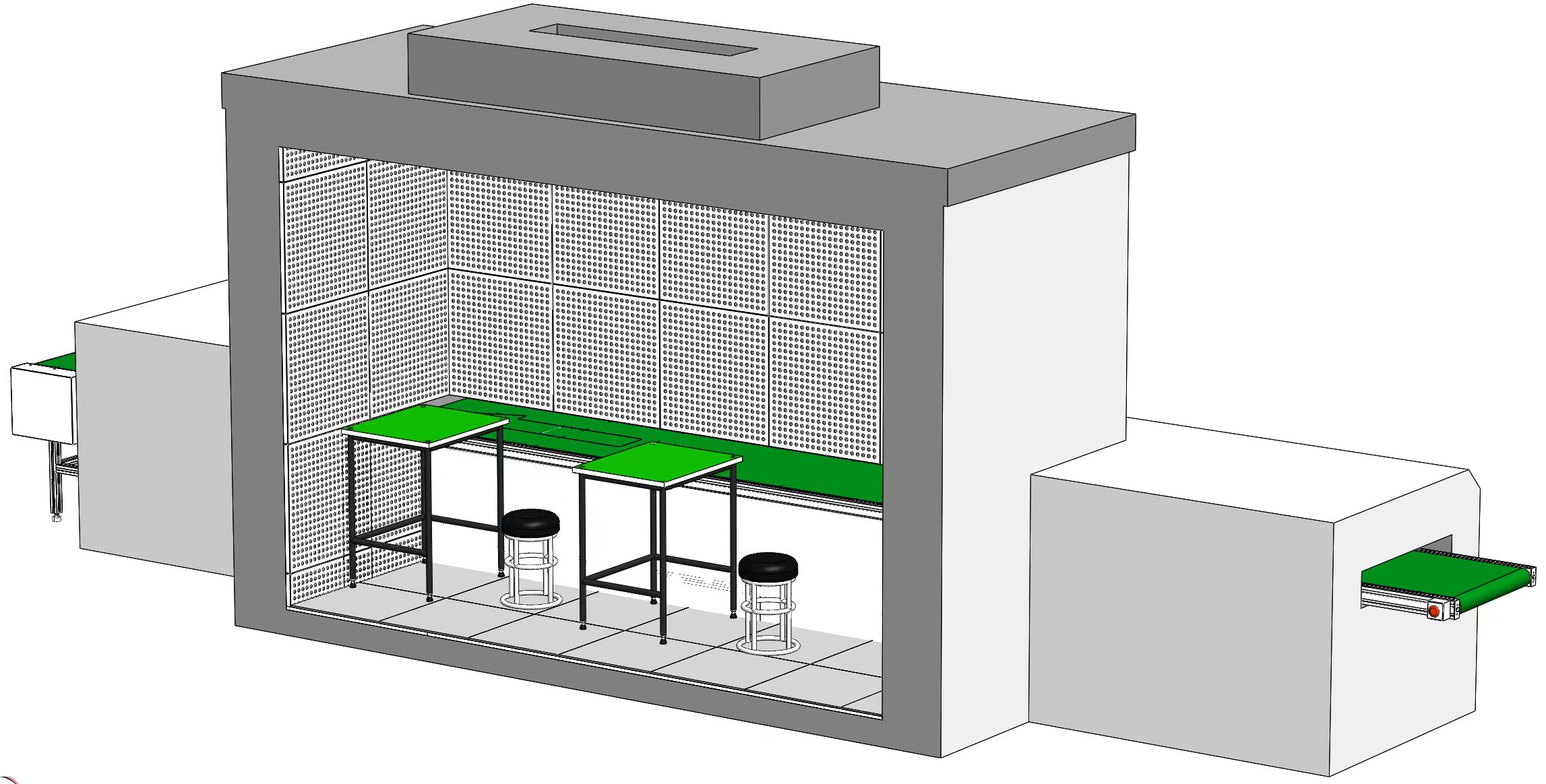
As noise testing moves from 'sampling inspection' to 'full inspection', standalone static rooms can no longer keep up with takt time, and the inline static room becomes a hard requirement. Products travel along the line into the room to complete testing, yet the background must still be pressed below 30 dBA inside a noisy shop floor. This poses three major engineering challenges.
Challenge 1: Openings and attenuation
Because the line must pass through the wall, infeed and outfeed openings are unavoidable. Openings are the weak point of sound insulation, so they need sound-absorbing attenuation tunnels that let products pass smoothly without letting noise 'leak' in. Tunnel length, the inner sound-absorbing lining, and the airflow path all have to be calculated.
Challenge 2: Takt-time matching
The in-and-out rhythm of the static room must align precisely with the line's takt time, or it becomes a bottleneck. The equipment's door opening/closing, conveyance, and test sequencing must be linked with the MES/production line to achieve 'product arrives, room goes quiet, test runs accurately, and it moves on immediately'.
Challenge 3: Vibration isolation and low frequencies
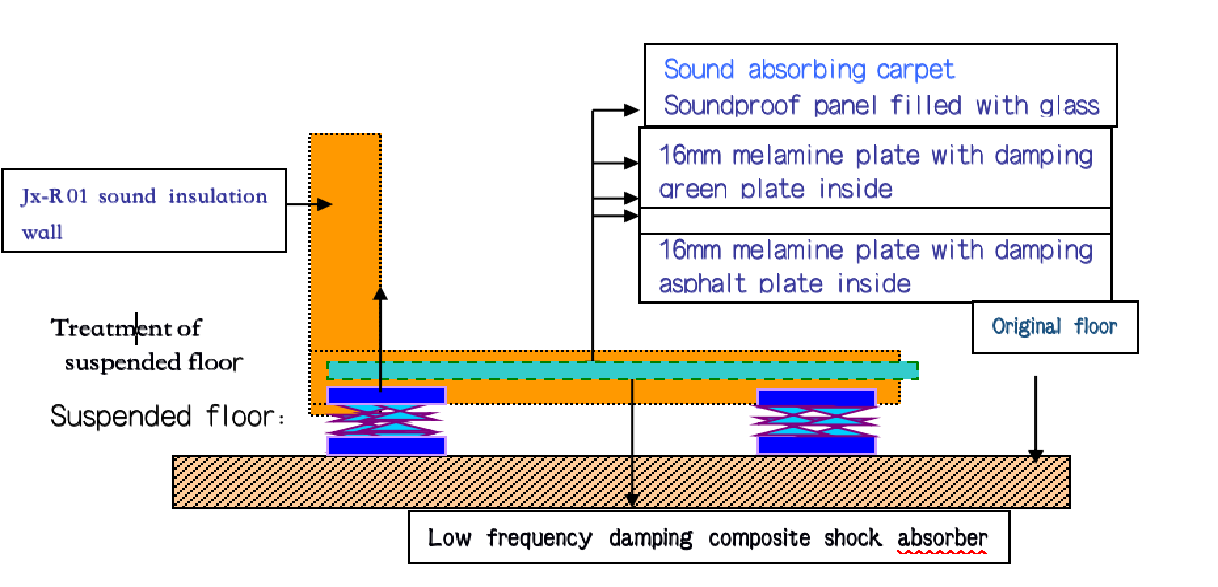
Production equipment, conveyors, and nearby stamping introduce continuous structure-borne sound and low-frequency vibration. The inline static room uses an overall floating 'floating-foundation' structure with high-performance damping vibration isolation to cut off rigid sound-transmission paths and focus on suppressing the mid-to-low frequencies, which is often the deciding factor in whether an inline solution meets target.
A proven case
On an inline static room project at a leading contract manufacturer, three to four specialist suppliers concluded that an in-shop background below 30 dBA was unachievable. Jinxiu ultimately achieved it and earned the customer's recognition. Today, Jinxiu supplies more than 95% of the inline static rooms this customer has in service and 100% of new production-line projects.
If you are planning an acoustic test station for full-inspection production lines, Jinxiu can develop a custom solution and on-site assessment based on your line layout and takt time.