Measured Acceptance: How to Write “Meets Target” Into the Contract
The single clause that prevents most acoustic-project disputes is a measured acceptance criterion. Here is what to put in writing — the value, the method, the conditions and the remedy — so a custom test room is accepted on a number, not an argument.
Most disputes over a custom acoustic room are not about whether it is quiet — they are about whether it met what was agreed, and nobody wrote that down precisely. A measured acceptance clause fixes this. It turns a subjective “is it quiet enough?” into an objective “does it read at or below the number, measured this way, under these conditions?” Four elements make a clause airtight.
The value
State the target as a specific in-room level — for example background noise ≤30 dBA. If low-frequency content matters, add an NC limit. Avoid vague phrasing like “very quiet” or “industrial standard”; those cannot be tested.
The method
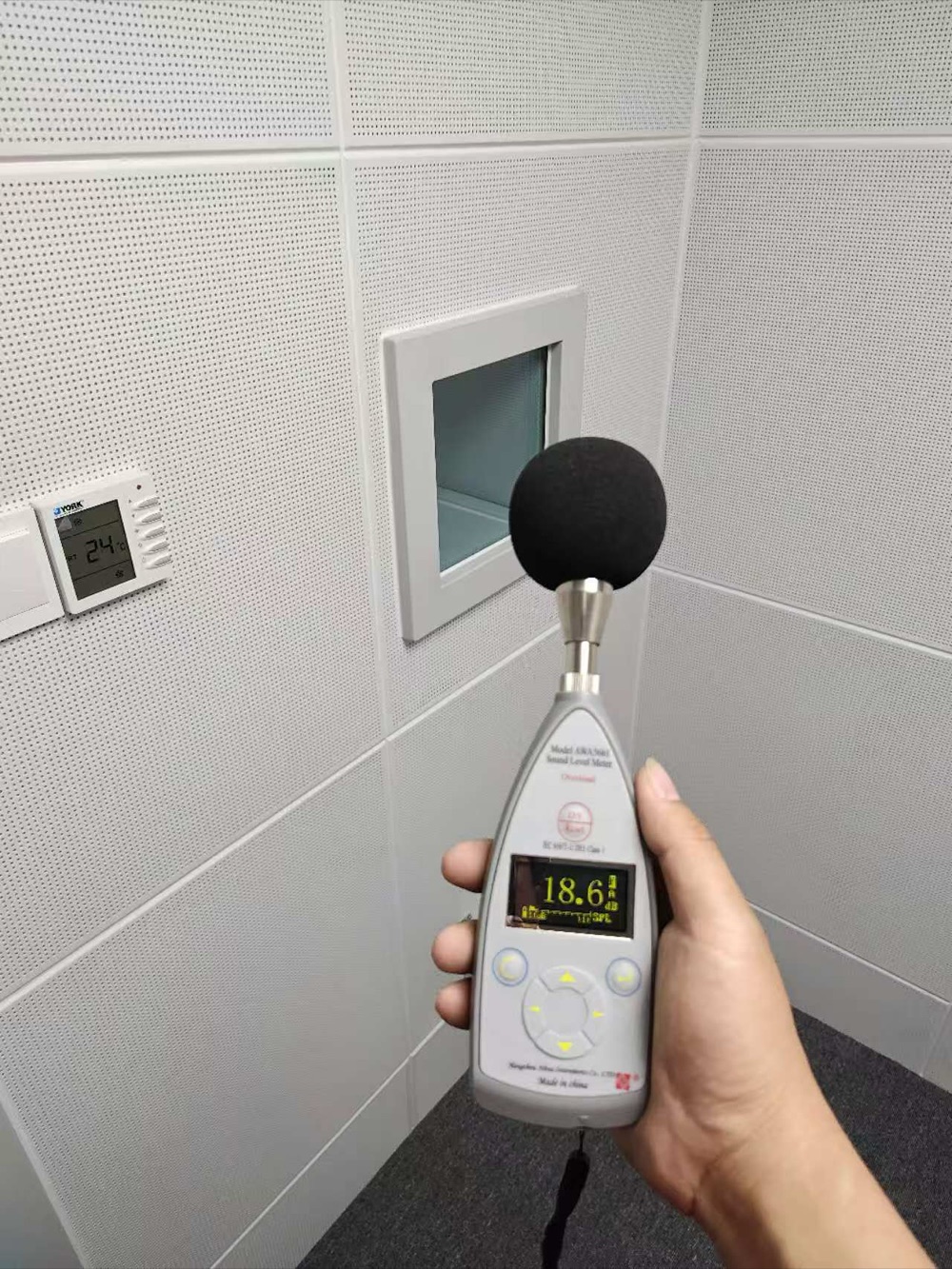
Name the instrument class and standard: an on-site measurement with a Class-1 sound level meter (IEC 61672). Specify microphone positions (for example the centre of the test zone at working height) and the averaging time, so both sides measure the same way.
The conditions
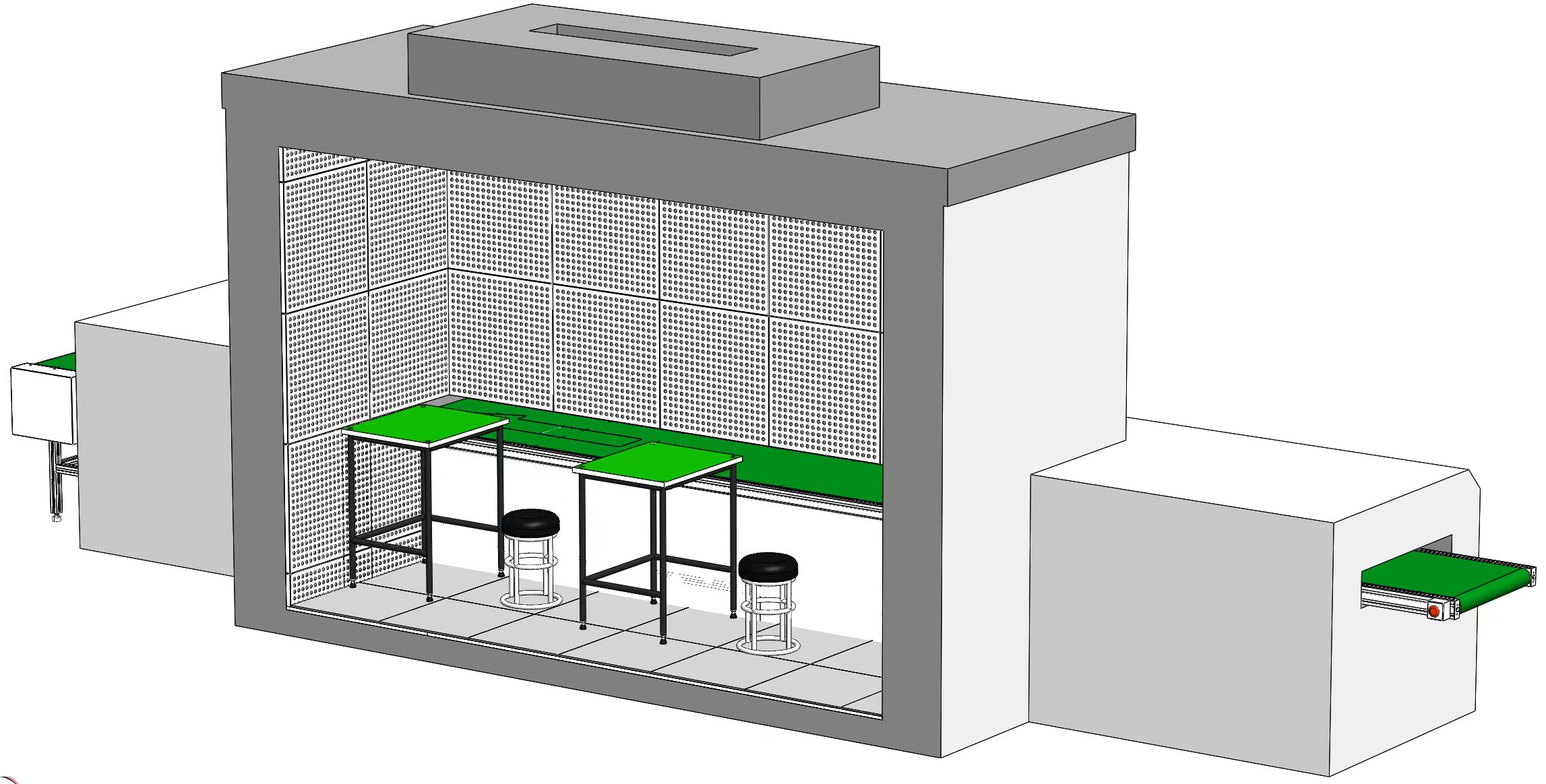
A number without conditions is meaningless. State whether HVAC is running, whether the production line is in operation, and the workshop ambient level at the time of test. An inline room measured with the line stopped is not the same room you will use.
The remedy
Say what happens if the number is not met on first measurement: the supplier corrects at their cost and re-measures, and final payment or sign-off is tied to a passing result. This protects the buyer without being adversarial — a confident manufacturer accepts it readily.
A clause you can adapt
“Acceptance: in-room background noise ≤30 dBA, measured on site with a Class-1 sound level meter (IEC 61672) at the centre of the test zone, with HVAC operating and the production line running. If not met, the supplier remedies at its cost and re-measures; sign-off and final payment follow a passing measurement.”
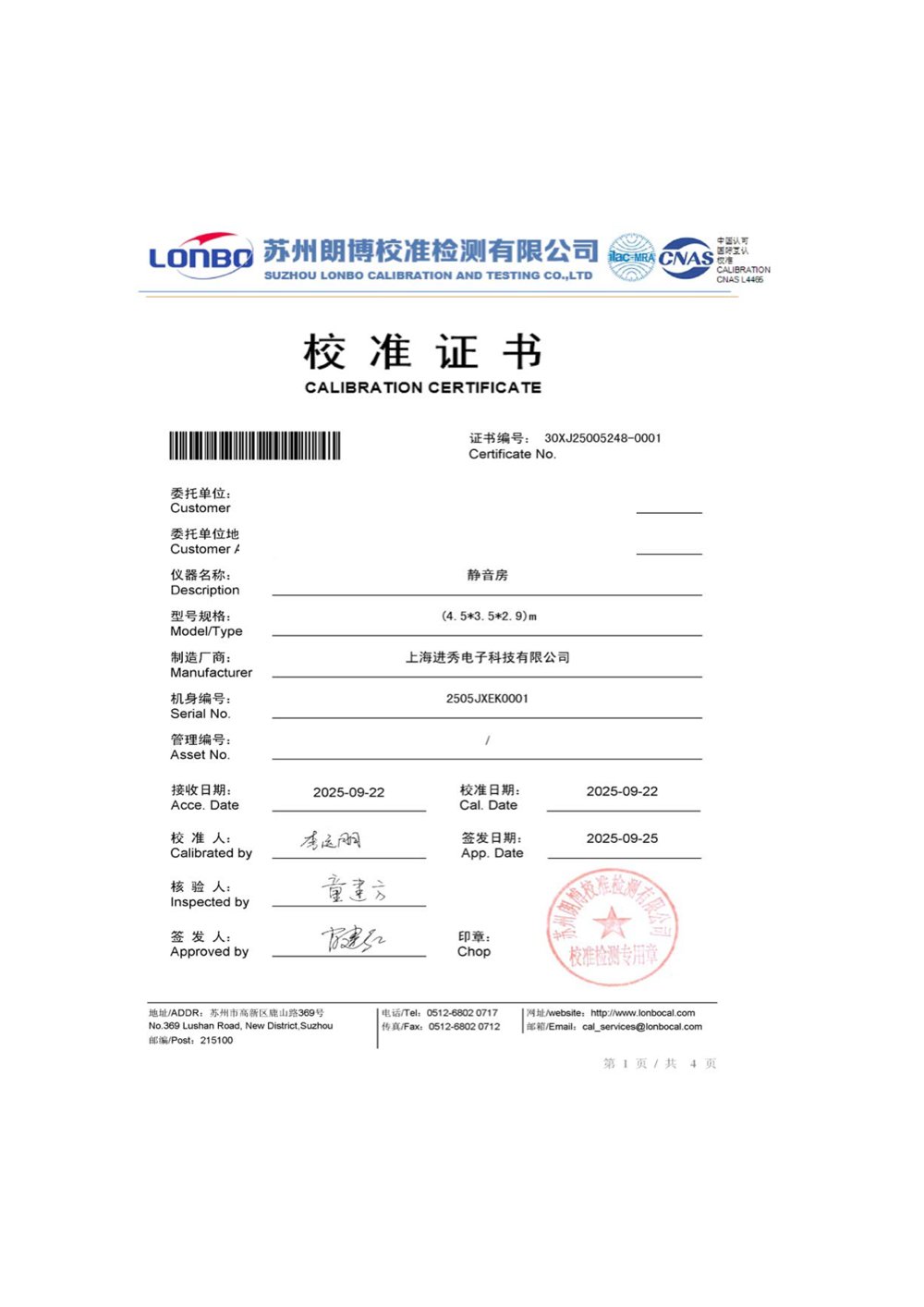
At Jinxiu, every acoustic room is delivered this way — accepted on a measured number, not a promise. Delivered projects have measured as low as 9.7–18.6 dBA in real customer plants.