Quiet Ventilation: How an Acoustic Test Room Breathes Without Breaking the dBA Target
A sealed quiet room still needs fresh air and cooling — for the equipment inside and the people working in it. Ventilation is one of the easiest ways to ruin a low background-noise target, and one of the harder things to get right. Here is how a quiet room breathes.
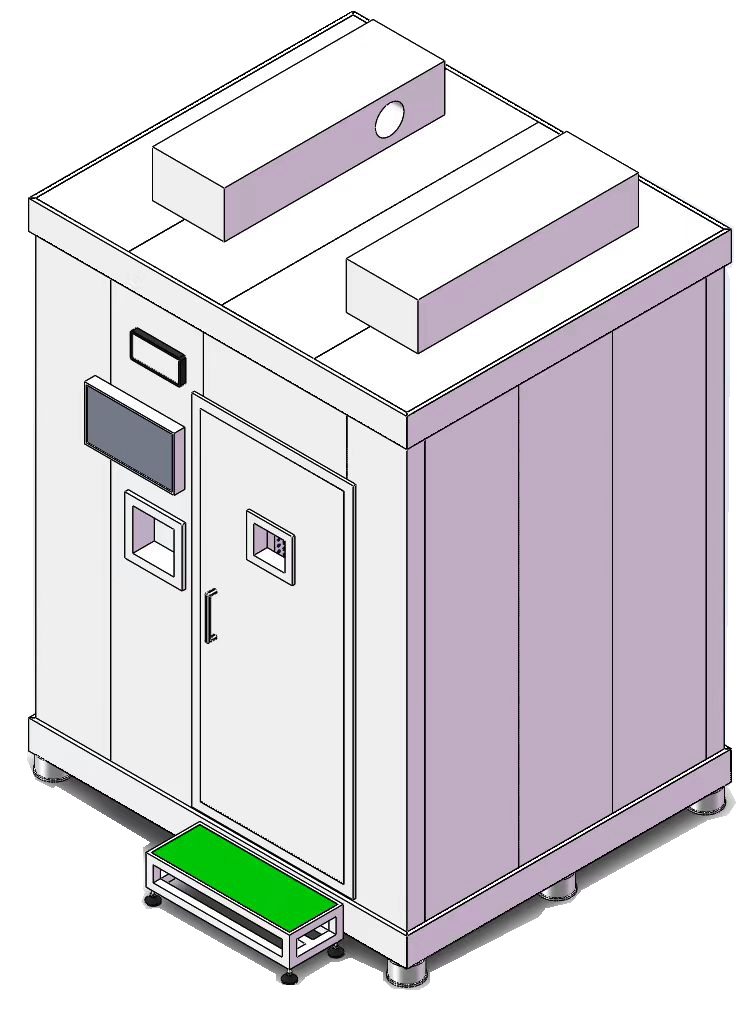
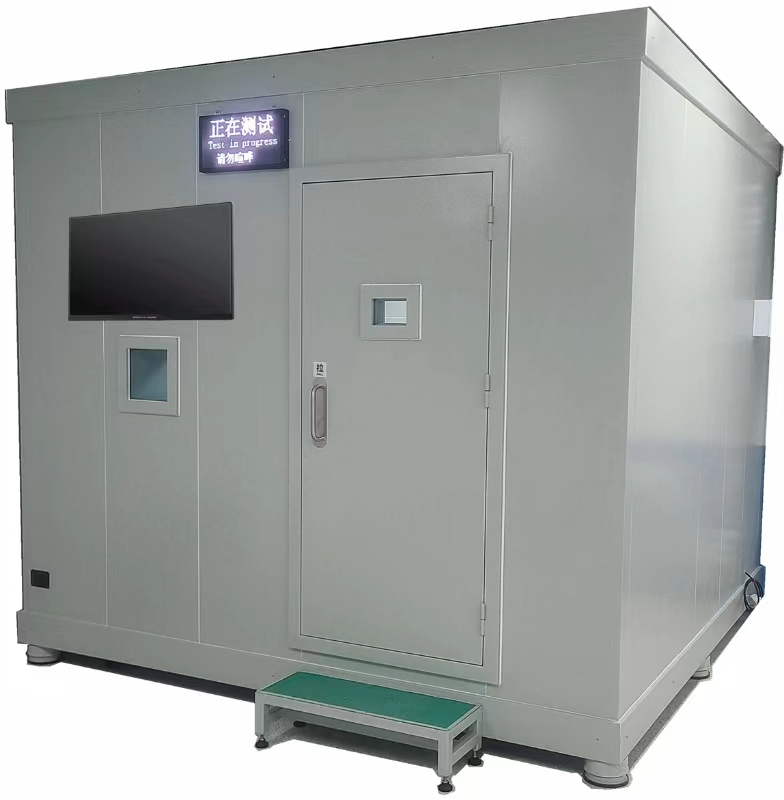
Seal a room tightly enough to reach ≤30 dBA and you create a new problem: it has to breathe. Test equipment generates heat, operators need air, and a closed box overheats. But every opening for airflow is also an opening for noise — from the fan, from the duct, and straight through the hole. Quiet ventilation is the discipline of moving enough air while letting almost no noise follow it.
The ventilation paradox
Airflow and silence pull in opposite directions. More air usually means bigger openings and faster flow, both of which add noise. The job is to supply the required air changes and cooling while the ventilation path contributes negligibly to the in-room noise floor — often a tighter constraint than the walls themselves.
Duct silencers
Inlet and outlet ducts pass through silencers (attenuators) — lined chambers and splitters that absorb sound as air flows through. They are sized for the target attenuation across the relevant frequency bands. Skimp here and fan noise simply pours into the room through the cleanest possible path.
Low-velocity airflow
Air moving fast through a duct or grille generates its own self-noise, regardless of the fan. Quiet rooms use generous duct cross-sections and large, low-velocity diffusers so the air arrives slowly and silently. Velocity, not just volume, is designed.
Breaking the straight path
A silencer works partly by removing line-of-sight: sound that cannot travel in a straight line out of the duct is forced to reflect off absorptive surfaces and lose energy. Lined bends and offset openings stop noise from shooting straight through the ventilation route into the test zone.
Isolating the fan
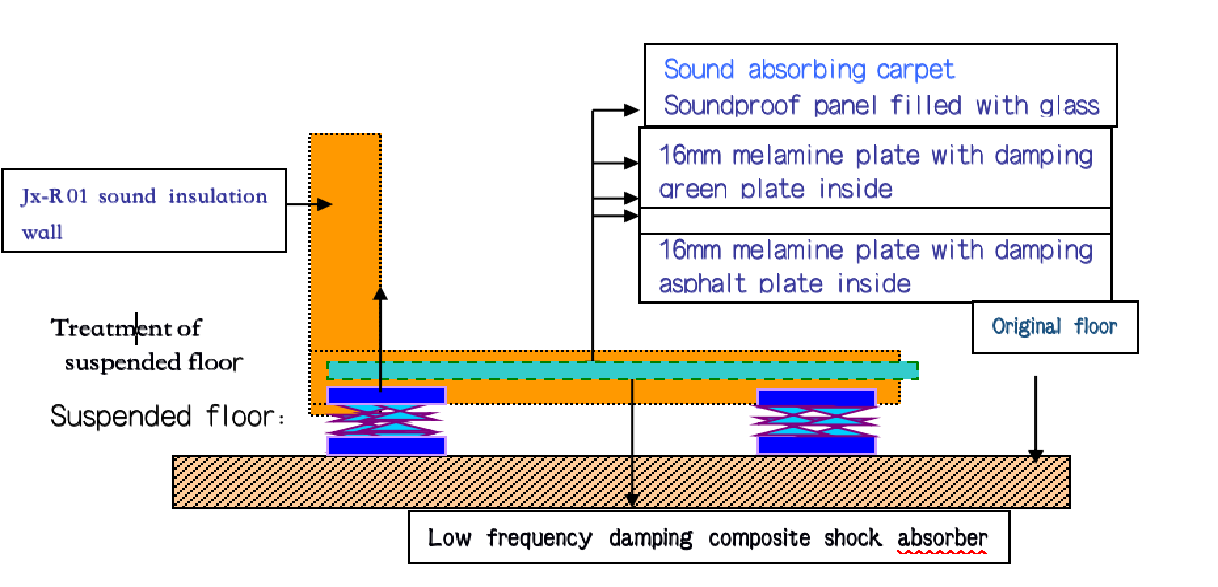
The fan or air handler is a vibration source as much as a noise source. It is mounted on isolators and flexibly connected to the ductwork, so its vibration does not travel through the structure into the room — the same structure-borne path that wall mass cannot fix.
Designing to the dBA target
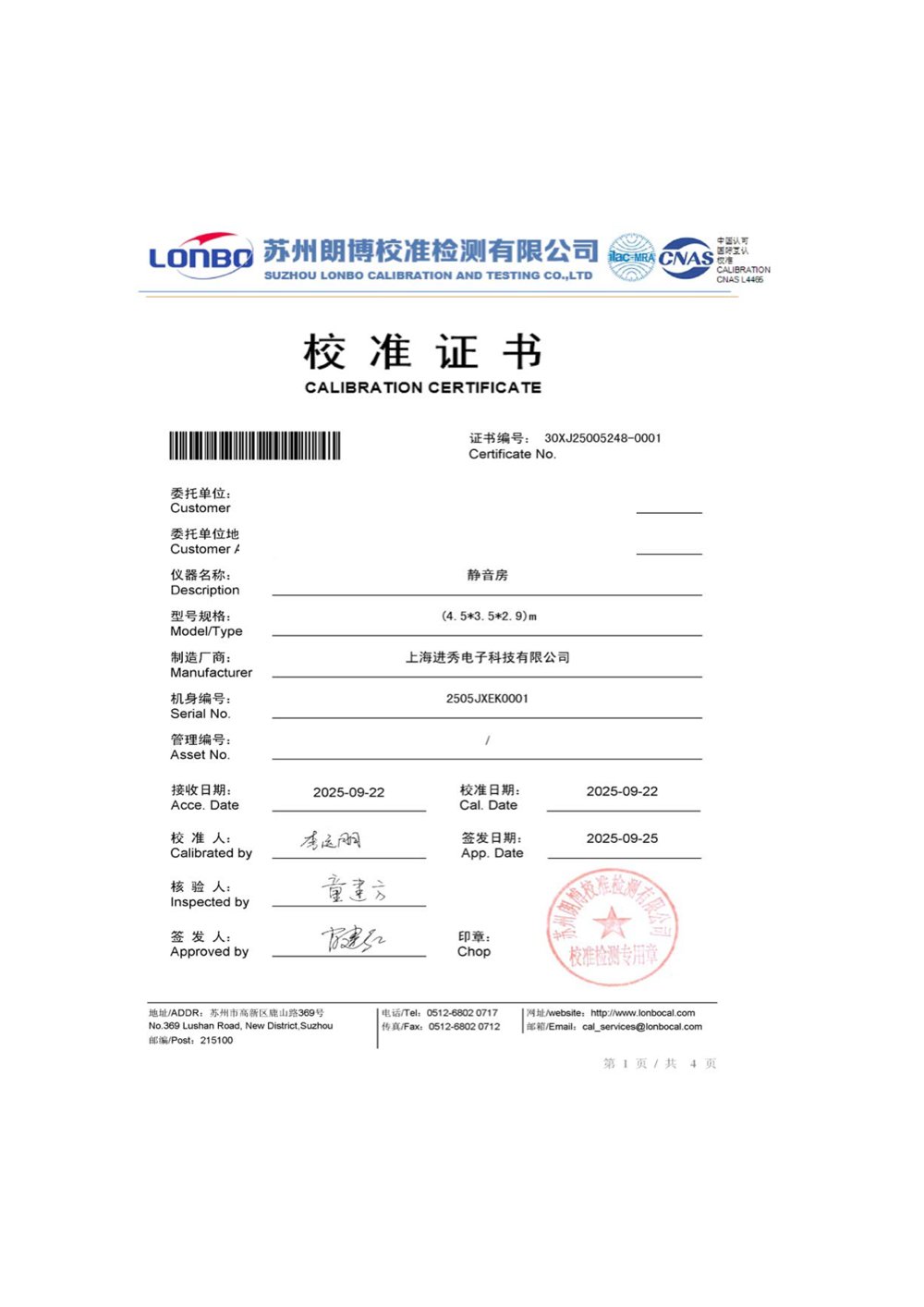
All of this is sized backward from the acceptance number. The required air changes, the equipment heat load and the target dBA together set the silencer length, duct size and diffuser count — then it is proven by on-site measurement with the ventilation running, not switched off for the test.
Jinxiu integrates silenced, isolated fresh-air and cooling into its acoustic rooms and accepts each room on a measured dBA with ventilation operating. Delivered projects have measured as low as 9.7–18.6 dBA in real customer plants.